
Are Breast Veins Before Period a PMS Symptom or a Hormonal Change?
Quick Summary
- Hormones Increase Vein Visibility – Estrogen and progesterone before your period boost blood flow, making breast veins more noticeable.
- Linked to PMS Breast Symptoms – Visible veins often appear with tenderness, swelling, and fullness as common PMS breast symptoms.
- Temporary Monthly Change–Breast veins before the period usually fade after menstruation when hormone levels drop.
- Individual Factors Matter – Skin tone, genetics, and body composition affect how visible veins appear.
- Mostly Harmless – These breast changes before period are normal, but persistent or painful changes need medical review.
Noticing visible veins on your breasts before your period can feel unexpected and even a little worrying. Many women experience breast veins before period as part of normal breast changes before period, and the short answer is yes – this is usually caused by hormonal changes and commonly linked with PMS. In this blog, we’ll explain how monthly hormone fluctuations make breast veins more visible, why PMS can trigger this change, and when these shifts are simply a healthy, natural part of your cycle. You’ll also understand what’s happening inside your body and how to tell the difference between normal hormonal breast vein changes and signs that may need medical attention.
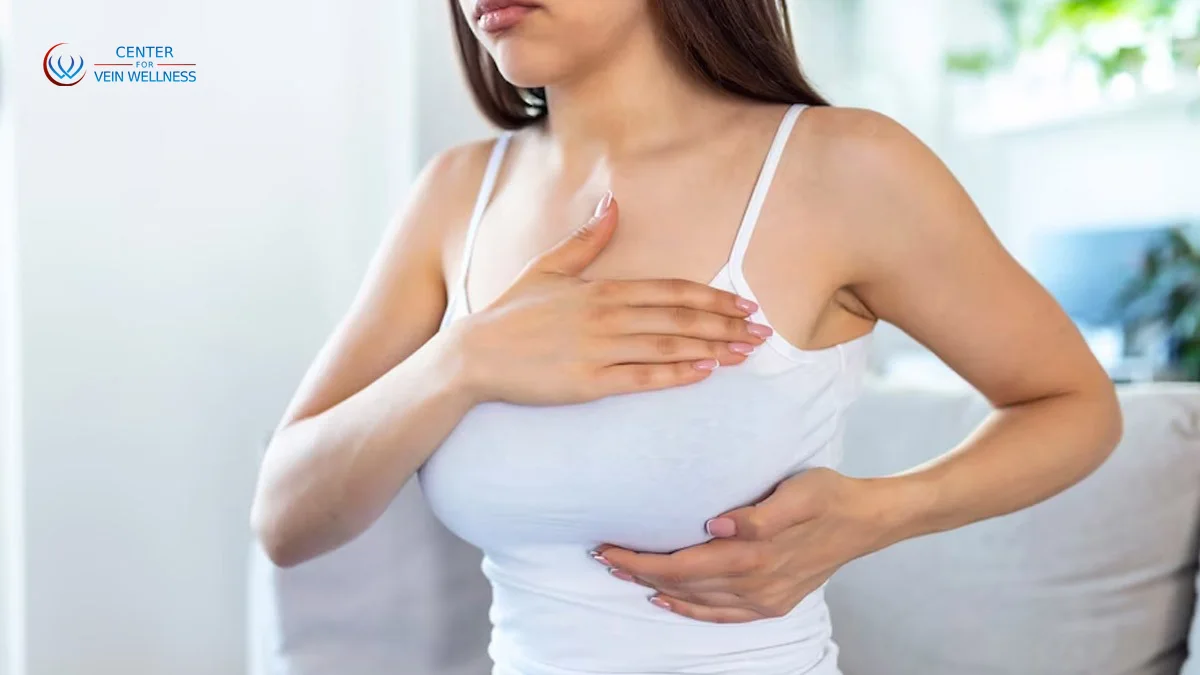
Why Breast Veins Become More Visible Before Your Period
In the days leading up to your period, your body goes through natural hormonal changes. Estrogen and progesterone rise to prepare the body for a possible pregnancy. These hormones increase blood flow to the breast area and cause mild swelling in breast tissue.
As circulation increases, veins under the skin can appear darker or more noticeable. At the same time, fluid retention can make the skin feel tighter, which makes veins stand out more clearly. This is why many women notice breast veins before their period, even if their veins are not visible at other times of the month.
This confirms that breast veins can be a symptom of hormonal changes, not a disease or abnormal condition.
Is PMS the Reason Breast Veins Appear?
PMS affects each woman differently, but breast-related symptoms are some of the most common. Along with tenderness and swelling, PMS breast symptoms can include visible breast veins.
This happens because the same hormones that cause breast soreness and fullness also increase blood flow and fluid retention in the breast tissue. As a result, veins become more prominent during the premenstrual phase.
So yes, PMS can cause breast veins to appear more visible, especially in women who already have thinner skin or naturally visible veins. This is part of normal breast changes before period and usually settles once your period starts.
How Monthly Hormonal Changes Affect Breast Veins
Your menstrual cycle has different phases, and each phase affects your breasts in different ways. In the second half of your cycle, progesterone increases. This causes breast tissue to expand slightly and blood vessels in the breast area to dilate.
When blood vessels expand, veins become easier to see under the skin. Women with fair skin, low body fat, or thinner skin layers may notice these vein changes more clearly. Genetics also play a role in how visible veins appear.
Once your period begins, hormone levels drop. As swelling reduces and blood flow returns to normal, breast veins before period usually fade. This repeating monthly pattern is a strong sign that the veins are related to hormonal changes and PMS rather than a medical problem.
Breast Veins and Overall Vein Appearance
While hormonal changes and PMS are the main reasons breast veins become visible before your period, vein appearance is also influenced by natural body factors such as genetics, circulation patterns, and aging. Some women naturally have more visible veins in the chest and breast area.
If visible breast veins affect your confidence or comfort, professional vein specialists can assess whether the veins are purely cosmetic or related to vein health. Some women choose treatment for appearance reasons, while others seek reassurance about what they’re noticing on their skin. A personalized evaluation helps determine whether breast veins are only hormonally driven or if vein care options may be helpful.
Managing PMS-Related Breast Vein Discomfort
If PMS breast symptoms feel uncomfortable, you can manage the discomfort caused by hormonal changes with simple lifestyle habits:
• Wear a supportive bra to reduce heaviness
• Reduce salt intake to limit water retention
• Drink plenty of water to support healthy circulation
• Use warm compresses to ease soreness
• Limit caffeine before your period
• Stay physically active
• Get enough rest during the premenstrual phase
While these steps won’t remove visible breast veins, they can help reduce the swelling and discomfort that make veins stand out more before your period.
Conclusion
Breast veins before period are most commonly a sign of hormonal changes and a normal part of PMS breast symptoms. Increased blood flow, fluid retention, and mild breast swelling make veins more visible during the premenstrual phase. These breast changes before period usually fade after your cycle begins and hormone levels return to normal.
If visible breast veins cause concern or affect your confidence, the best next step is to contact our team for personalized guidance from a vein specialist.
Getting expert input can help you feel reassured about what you’re experiencing and decide whether any further evaluation or treatment is right for you.