Blog

EXCLUSIVELY DEVOTED & FOCUSED ON VENOUS DISEASE

Benefits of Sclerotherapy for Spider Veins and Varicose Veins

Quick Summary

  1. Improves Blood Circulation – Redirects blood flow to healthy veins, reducing pressure and swelling.
  2. Treats Spider & Varicose Veins – Effectively fades visible veins and restores natural skin appearance.
  3. Relieves Leg Discomfort – Reduces pain, heaviness, fatigue, and cramping in the legs.
  4. Non-Surgical & Low Downtime – Safe, minimally invasive treatment with quick recovery.
  5. Boosts Confidence & Mobility – Enhances leg appearance, comfort, and daily movement quality.

Spider veins and varicose veins are common vein problems that affect millions of people across the United States. While they are often seen as cosmetic concerns, they can also cause discomfort, pain, swelling, and fatigue in the legs. In this blog, we’ll explain what sclerotherapy is, how it works, and most importantly, the key benefits of sclerotherapy for treating vein conditions. You’ll also learn how sclerotherapy for spider veins and sclerotherapy for varicose veins helps improve both appearance and overall vein health, and why it is one of the most trusted non-surgical vein treatments today.
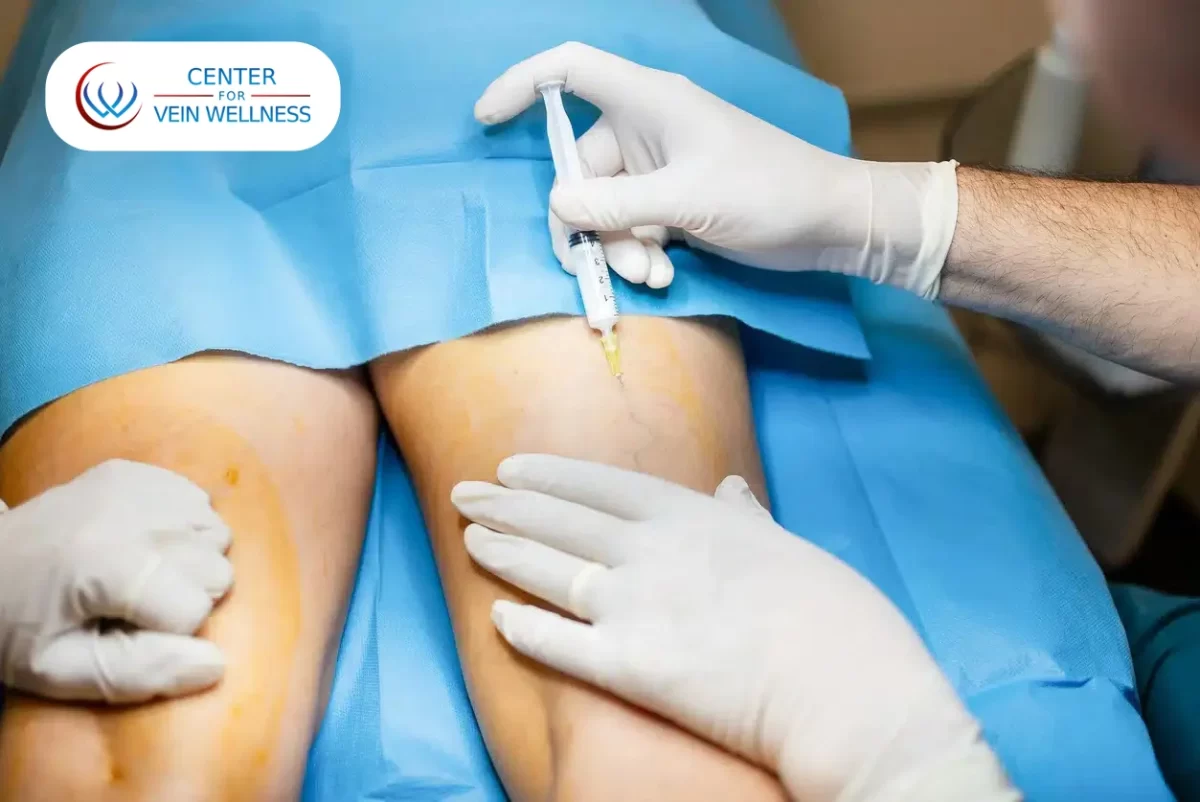
Doctor performing sclerotherapy injection treatment for spider veins and varicose veins on patient’s legs at Center for Vein Wellness clinic.

Understanding Spider Veins and Varicose Veins

Spider veins are small, thin veins that appear close to the surface of the skin. They often look like red, blue, or purple lines and commonly show up on the legs and face. Varicose veins, on the other hand, are larger, swollen, twisted veins that usually develop in the legs due to poor blood circulation.

Both conditions are caused by weak or damaged valves in the veins. When these valves stop working properly, blood flows backward and pools in the veins, causing them to enlarge and become visible. Common risk factors include genetics, pregnancy, aging, long periods of standing or sitting, obesity, and hormonal changes.

While some people experience only cosmetic concerns, others deal with symptoms like aching, heaviness, itching, burning sensations, and leg cramps. This is where sclerotherapy becomes a reliable and effective solution.

What Is Sclerotherapy?

Sclerotherapy is a minimally invasive medical procedure used to treat spider veins and varicose veins. During the treatment, a vein specialist injects a special solution (called a sclerosant) directly into the affected vein. This solution irritates the vein lining, causing it to collapse and seal shut. Over time, the treated vein is absorbed by the body and naturally fades away.

If you want a detailed explanation of how the procedure works, you can read this guide on what sclerotherapy is and how it works. Sclerotherapy is widely used in vein clinics across the U.S. because it is safe, effective, and does not require surgery or long recovery periods.

Key Benefits of Sclerotherapy

1. Non-Surgical and Minimally Invasive

One of the biggest benefits of sclerotherapy is that it does not involve surgery. There are no incisions, stitches, or general anesthesia. The procedure is done using fine needles, making it a comfortable and low-risk treatment option for most patients. This makes it ideal for people who want effective vein treatment without the stress and risks associated with surgical procedures.

2. Effective Treatment for Spider Veins

Sclerotherapy for spider veins is considered the gold standard treatment. It directly targets the damaged veins and helps them fade over time. After a few sessions, patients often see a noticeable improvement in skin appearance, with clearer and smoother-looking legs. For people who feel self-conscious wearing shorts, skirts, or swimsuits because of visible spider veins, sclerotherapy can significantly boost confidence and comfort.

3. Reliable Solution for Varicose Veins

Sclerotherapy for varicose veins is highly effective, especially for smaller and medium-sized varicose veins. It improves blood flow by closing unhealthy veins and redirecting blood to healthier veins. This not only improves appearance but also reduces symptoms like pain, swelling, heaviness, and fatigue in the legs. Patients often report better mobility and improved daily comfort after treatment.

4. Improves Circulation and Vein Health

By closing off damaged veins, sclerotherapy helps restore proper blood circulation in the legs. Healthy veins take over the blood flow, reducing pressure and improving overall vein function. This contributes to better long-term vein health and reduces the risk of future vein problems.

5. Quick Treatment Sessions

Sclerotherapy sessions are usually short, often lasting 20 to 45 minutes depending on the number of veins being treated. This makes it easy to fit into a busy schedule. Many patients return to work and daily activities on the same day. This convenience makes sclerotherapy a popular option for working professionals and busy families in the U.S.

6. Minimal Downtime and Recovery

Unlike surgery, sclerotherapy requires little to no downtime. Patients are typically encouraged to walk immediately after the procedure to promote healthy circulation. Mild side effects like redness, swelling, or bruising may occur, but they usually resolve within a few days. Most people can return to normal activities quickly, making it a practical choice for long-term vein care.

7. Long-Lasting Results

Another major advantage is the durability of the results. Treated veins do not return. While new veins may develop over time due to genetics or lifestyle factors, sclerotherapy provides long-term improvement and can be repeated safely if needed.

8. Boosts Confidence and Quality of Life

Clearer skin, reduced pain, and improved leg comfort all contribute to better quality of life. Many patients feel more confident wearing clothing that shows their legs and experience less daily discomfort. Social confidence, physical activity levels, and emotional well-being often improve after treatment. This emotional and physical improvement is one of the most valuable benefits of sclerotherapy.

9. Supports Long-Term Vein Health

Beyond visible improvements, sclerotherapy plays a key role in maintaining long-term vein health. By eliminating damaged veins, pressure inside the venous system is reduced, helping prevent future vein enlargement and complications. This makes sclerotherapy both a treatment and a preventive care solution.

10. Reduces Risk of Future Vein Complications

Poor circulation can lead to more serious conditions such as skin discoloration, chronic swelling, and venous ulcers. Sclerotherapy improves blood flow patterns, which helps lower the risk of these long-term complications. This makes it a medically beneficial treatment, not just a cosmetic one.

11. Improves Daily Mobility and Comfort

Many patients experience discomfort while standing, walking, or exercising due to vein pressure and poor circulation. After treatment, reduced swelling and pain allow for easier movement, better stamina, and improved daily performance in both work and personal life.

12. Enhances Overall Leg Appearance

In addition to treating damaged veins, sclerotherapy improves overall skin tone and leg appearance. Legs look smoother, clearer, and healthier, which contributes to both physical confidence and everyday lifestyle comfort. Sclerotherapy is suitable for most adults who have spider veins or varicose veins, especially those who experience leg pain, heaviness, swelling, or discomfort, feel bothered by visible veins, want a non-surgical treatment option, or have seen little improvement from lifestyle changes alone. However, a professional vein evaluation is always important to determine the most effective and personalized treatment plan for each individual.

Conclusion: 

The benefits of sclerotherapy go far beyond cosmetic improvement. From treating spider veins and varicose veins to improving circulation, reducing pain, and boosting confidence, this treatment offers a safe, effective, and long-lasting solution for vein problems. Whether you’re dealing with visible veins or uncomfortable leg symptoms, sclerotherapy for spider veins and sclerotherapy for varicose veins can make a real difference in your daily life.

If you’re ready to improve your vein health and restore comfort and confidence in your legs, now is the perfect time to take action. Schedule a consultation with a trusted vein specialist and explore the right treatment plan for your needs. Get in touch with our team today through our Contact us page

Your journey toward healthier, clearer, and more comfortable legs starts with one simple step.
Frequently Asked Questions

Benefits of Sclerotherapy for Spider Veins and Varicose Veins

Sclerotherapy is a minimally invasive vein treatment that involves injecting a special solution into damaged veins. This solution causes the vein to collapse, seal shut, and eventually be absorbed by the body. Blood flow is redirected to healthier veins, improving circulation and reducing vein visibility. It is commonly used to treat spider veins and varicose veins and does not require surgery, stitches, or long recovery periods.
Yes, sclerotherapy is considered one of the safest and most effective treatments for spider veins. It has been used for decades in medical practice and is performed by trained vein specialists. The procedure is minimally invasive, has a low risk of complications, and usually involves only mild side effects like temporary redness or bruising, which typically resolve within a few days.
Yes, sclerotherapy is effective for treating small to medium-sized varicose veins. It works by closing unhealthy veins and allowing blood to reroute through healthier veins. This improves circulation and reduces symptoms such as pain, swelling, heaviness, and fatigue. For larger varicose veins, sclerotherapy may be combined with other vein treatments as part of a complete care plan.
Most patients begin to see visible improvement within a few weeks after treatment. Spider veins may fade faster, while varicose veins can take several weeks to a few months to fully disappear. Results continue to improve over time as the body naturally absorbs the treated veins. Multiple sessions may be needed depending on the severity of the vein condition.
Yes, one of the major benefits of sclerotherapy is improved circulation. By closing damaged veins, blood is redirected into healthy veins, reducing pressure in the venous system. This improves overall blood flow in the legs, decreases swelling, and supports long-term vein health. Better circulation also helps reduce fatigue, heaviness, and discomfort in the legs.
Sclerotherapy is generally well-tolerated by most patients. The injections may cause mild discomfort, similar to a small pinprick, but the procedure is not considered painful. Some patients may feel slight burning or tingling for a few seconds during injection. The overall experience is comfortable, and no anesthesia is required for the treatment.
The number of sessions varies depending on the severity and number of veins being treated. Some patients see good results after one session, while others may need multiple treatments for optimal results. A personalized treatment plan is usually created based on vein condition, health history, and treatment goals to achieve the best long-term outcome.
The treated veins do not return after sclerotherapy. Once a vein is closed and absorbed by the body, it is permanently removed. However, new veins may develop over time due to genetics, aging, pregnancy, or lifestyle factors. Sclerotherapy can be safely repeated in the future if new vein issues appear.
Recovery from sclerotherapy is very quick. Most patients return to normal activities the same day. Walking is encouraged after treatment to promote healthy circulation. Mild redness, bruising, or swelling may occur but usually fades within a few days. There is no need for long rest periods or hospital stays.
Sclerotherapy is ideal for adults who experience leg pain, swelling, heaviness, or discomfort from vein issues, as well as those who are bothered by visible spider veins or varicose veins. It is also suitable for people looking for a non-surgical treatment option with minimal downtime and long-term results. A professional vein evaluation helps determine if it is the right treatment choice.

What Is Sclerotherapy and How Does It Work?

Quick Summary

Closes Problem Veins at the Source — Sclerotherapy works by injecting a medical solution into damaged veins, causing them to collapse, seal shut, and disappear naturally over time.
Improves Both Appearance and Circulation — By removing faulty veins, blood is redirected into healthier veins, reducing visible spider and varicose veins while improving blood flow.
Minimally Invasive and Office-Based — The procedure is performed in a clinic setting with no surgery, no anesthesia, and no downtime required for most patients.
Highly Effective for Spider and Small Varicose Veins — Sclerotherapy is one of the most proven treatments for spider veins and mild to moderate varicose veins.
Backed by Decades of Medical Use — Sclerotherapy has been safely used for over 80 years and remains a gold-standard treatment for cosmetic and functional vein issues.

Spider veins and small varicose veins are extremely common, especially in adults who spend long hours standing, sitting, or dealing with hormonal changes. If you’re searching online for what sclerotherapy is, how sclerotherapy works, or whether there’s a safe way to treat visible veins, you’re in the right place. In this blog, we’ll clearly explain what sclerotherapy is, how it treats vein problems, how it works inside the body, and what actually happens during the procedure, so you can understand the treatment before deciding if it’s right for you.

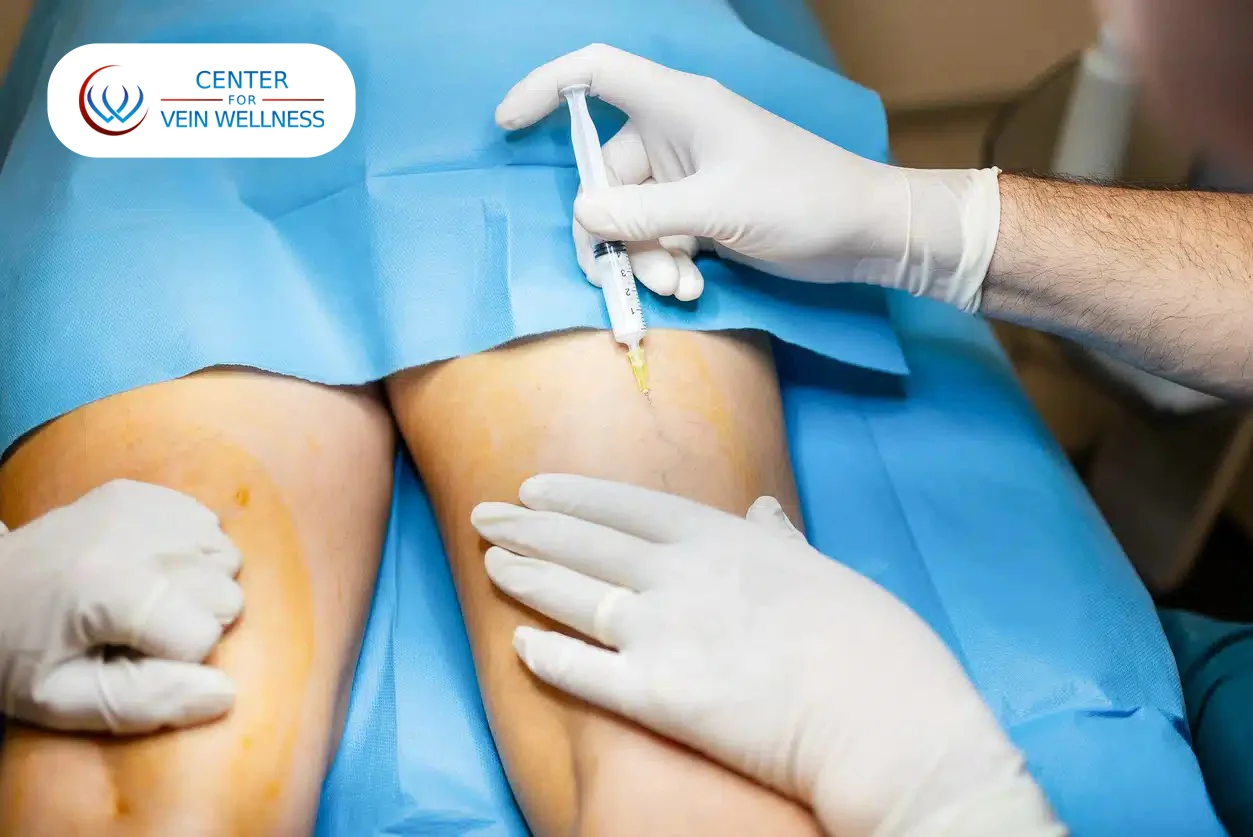
Sclerotherapy treatment in progress as a medical professional injects solution into a patient’s leg vein.

What Is Sclerotherapy?

Sclerotherapy is a minimally invasive medical treatment designed to eliminate unwanted veins by closing them safely from the inside. It has been used for over 80 years and remains one of the most trusted treatments for spider veins and small to medium varicose veins.

Rather than removing veins surgically, sclerotherapy works by injecting a medical solution called a sclerosant directly into the affected vein. This solution gently irritates the inner lining of the vein, causing it to swell, collapse, and seal shut. Over time, the body naturally absorbs the closed vein and reroutes blood flow through healthier veins.

Because the body no longer uses the treated vein, the visible discoloration fades and circulation improves. This is why sclerotherapy is both a cosmetic and functional treatment, it improves how your legs look and how your veins function.

Unlike surgery, sclerotherapy:

● Requires no incisions or stitches

● Does not need anesthesia

● Is performed in a medical office

● Allows patients to walk immediately afterward

That’s why it’s often called a “lunchtime procedure”, it’s quick, convenient, and effective.

How Does Sclerotherapy Work?

To understand how sclerotherapy works, it helps to first understand why spider veins and varicose veins appear.

Veins carry blood back to the heart using tiny one-way valves. When these valves weaken or fail, blood flows backward and pools inside the vein. This increased pressure stretches the vein walls, making them visible on the skin’s surface as spider veins or bulging varicose veins.

Sclerotherapy works by intentionally closing the faulty vein so blood can no longer pool inside it.

Here’s what happens inside your body:

  1. The sclerosant solution damages the inner lining of the vein.
  2. The vein walls stick together and seal closed.
  3. Blood flow stops in that vein.
  4. The body recognizes the closed vein as unnecessary.
  5. The vein is slowly absorbed and removed by the body’s natural processes.

Once that happens, blood is redirected to nearby healthy veins with functioning valves. This improves overall circulation and reduces pressure buildup in the vein system.

So when people ask how does sclerotherapy work, the simple answer is:
It shuts down damaged veins so healthy veins can take over, safely and naturally.

Sclerotherapy for Varicose Veins and Spider Veins

Sclerotherapy for varicose veins and spider veins is especially effective for small to medium-sized veins close to the skin’s surface. It’s commonly used to treat:

● Spider veins (thin red, blue, or purple web-like veins)

● Reticular veins (slightly larger blue-green veins)

● Mild to moderate varicose veins

While larger varicose veins may require different or additional treatments, sclerotherapy remains one of the most popular options because it delivers visible improvement without surgery.

Why it works so well for visible veins:

● The sclerosant directly targets the problem vein

● The treatment is precise and localized

● It does not affect surrounding healthy veins or tissues

● Multiple veins can be treated in a single session

Many patients choose sclerotherapy not only to improve the appearance of their legs but also to reduce symptoms like heaviness, fatigue, or mild aching that can come from vein pressure.

If you’d like to explore professional treatment options in more detail, you can visit the dedicated sclerotherapy service page for a full overview of how the treatment is offered in a clinical setting.

What Happens During a Sclerotherapy Procedure?

A sclerotherapy session is usually done in a doctor’s office and takes about 20–45 minutes, depending on the number of veins treated.

Step-by-step process:

  1. The treatment area is cleaned.

  2. A very fine needle is used to inject the sclerosant solution into the vein.

  3. You may feel a mild pinch or burning sensation that lasts a few seconds.

  4. The vein gradually collapses as the solution works.

  5. Compression stockings may be applied afterward.

There is no anesthesia required, and you can walk immediately after the procedure.

Is Sclerotherapy Painful?

Most patients describe sclerotherapy as mildly uncomfortable but not painful. You may feel a small pinch during the injection, followed by a brief burning or tingling sensation, and sometimes mild itching or cramping for a few minutes afterward. These sensations typically fade quickly, and the procedure is generally well tolerated without the need for pain medication or sedation.

Conclusion

Understanding what sclerotherapy is, how sclerotherapy works, and how it treats spider and varicose veins can help you make an informed decision about your vein health. By safely closing damaged veins and allowing the body to naturally absorb them, sclerotherapy offers a simple, effective, and minimally invasive way to improve both appearance and circulation.

If you’re considering treatment or want personalized advice based on your vein condition, the next step is to speak with a vein specialist. You can request more information or book a consultation through the Contact Us page and get expert guidance on whether sclerotherapy is right for you.

Frequently Asked Questions

What Is Sclerotherapy and How Does It Work?

Sclerotherapy is a minimally invasive medical procedure used to treat spider veins and small varicose veins. A special solution is injected into the affected vein, causing it to collapse and seal shut. Over time, the body naturally absorbs the closed vein and blood flow is redirected to healthier veins.
Sclerotherapy works by injecting a sclerosant solution into a damaged vein, which irritates the vein lining and causes it to collapse and close. The closed vein is then gradually absorbed by the body, and blood is rerouted through nearby healthy veins, improving circulation and appearance.
Sclerotherapy is most effective for spider veins, reticular veins, and small to medium-sized varicose veins located close to the skin’s surface. Larger or deeper varicose veins may require other treatments or ultrasound-guided procedures depending on their size, depth, and severity.
Sclerotherapy permanently treats the veins that are injected, and those veins will not return. However, new spider veins or varicose veins can develop over time due to genetics, aging, hormonal changes, or lifestyle factors, which may require future treatments to maintain results.
A typical sclerotherapy session lasts between 20 and 45 minutes, depending on the number and size of veins being treated. The procedure is done in a medical office and patients can walk immediately afterward, making it a convenient option for many people.
Yes, sclerotherapy is considered very safe when performed by trained and experienced medical professionals. It has been used worldwide for decades and has a strong safety record. Side effects are usually mild and temporary, such as minor redness, bruising, or swelling at the injection site.
No, sclerotherapy is a non-surgical procedure. It does not involve incisions, stitches, or anesthesia. The treatment is performed using small injections, and patients can return to normal daily activities shortly after the procedure without needing a recovery period associated with surgery.
The number of sessions needed varies depending on the number, size, and type of veins being treated. Some patients see improvement after one session, while others may need multiple treatments spaced several weeks apart to achieve the desired cosmetic and functional results.
Sclerotherapy is mainly used to treat veins on the legs. Facial veins are usually treated with laser therapy or other specialized procedures because facial skin and veins are more delicate and require different techniques for safe and effective treatment.
Spider veins and varicose veins develop when vein valves weaken and allow blood to pool in the veins. This can happen due to genetics, aging, pregnancy, hormonal changes, obesity, or long periods of standing or sitting, which increase pressure in the vein system.