Blog

EXCLUSIVELY DEVOTED & FOCUSED ON VENOUS DISEASE

Is Sclerotherapy Safe? A Step-by-Step Guide to the Sclerotherapy Procedure

Quick Summary

  1. Sclerotherapy Is Clinically Proven Safe –  Used for decades in the U.S. with FDA-approved solutions and a strong safety record when performed by trained vein specialists.
  2. Minimally Invasive Outpatient Treatment – No surgery, stitches, or general anesthesia required; most patients return to normal activity the same day.
  3. Step-by-Step Procedure Targets Problem Veins OnlyA medical solution is injected into damaged veins, causing them to close and fade while healthy veins take over blood flow.
  4. Low Risk of Serious Side Effects –  Most reactions are mild and temporary, such as light bruising or redness; complications are rare with proper screening.
  5. Gradual, Natural Results Over TimeThe body safely absorbs treated veins, improving leg appearance and circulation without disrupting normal blood flow.

If you’re thinking about treating spider veins or varicose veins, it’s normal to wonder if sclerotherapy is safe and what actually happens during the sclerotherapy procedure. In this guide, we’ll explain how safe sclerotherapy is, how the treatment works, what you can expect before, during, and right after the procedure, the safety measures doctors follow, and how the vein-closing process happens inside your body. By the end of this blog, you’ll clearly understand the full step-by-step process and whether this non-surgical treatment is right for you.
What Is Sclerotherapy?

Sclerotherapy is a minimally invasive medical procedure used to treat spider veins and certain types of varicose veins. A specially formulated solution is injected into the affected vein, causing it to collapse and gradually fade as your body reabsorbs it. Blood is naturally redirected to healthier veins nearby.

This treatment is widely used in the U.S. and is considered one of the safest non-surgical options for vein concerns when performed by trained vein specialists.

Is Sclerotherapy Safe?

Yes, sclerotherapy is safe for most patients when performed by experienced medical professionals. The procedure has been used for decades and is supported by strong clinical evidence. Vein specialists use FDA-approved solutions and precise injection techniques to reduce risks and ensure accuracy.

Most people experience only mild, temporary side effects such as slight redness, minor swelling, or light bruising around the injection sites. Serious complications are rare, especially when proper screening is done before treatment. Safety also depends on accurate vein mapping, the correct solution concentration, and careful post-procedure guidance provided by the clinic. You can learn more about how the treatment works and when it’s recommended on our dedicated sclerotherapy treatment service page.

Step-by-Step: The Sclerotherapy Procedure Explained

Here’s a clear, detailed look at what actually happens during the sclerotherapy procedure, from the moment you walk into the clinic to the time you walk out:

1. Pre-Treatment Assessment and Vein Mapping

Before any injections are given, the vein specialist carefully examines your legs. In many cases, a vein imaging test (such as ultrasound) is used to map out the affected veins. This step ensures the doctor treats the right veins and avoids healthy ones. Your medical history is reviewed to confirm sclerotherapy is safe for you and to rule out any potential risks.

2. Skin Preparation and Positioning

You’ll be comfortably positioned, usually lying down with your legs slightly elevated. The skin over the treatment area is cleaned thoroughly to prevent infection. No anesthesia is required because the injections use very fine needles and cause minimal discomfort.

3. Precise Injection of the Sclerosing Solution

The doctor injects a medical solution directly into the targeted vein using a tiny needle. This solution irritates the inner lining of the vein in a controlled way. You might feel a light stinging or tingling sensation for a few seconds, but most patients describe it as very manageable. Each vein is treated individually to ensure accuracy and safety.

4. Immediate Vein Reaction

Once the solution is injected, the treated vein begins to react almost immediately. The vein walls swell and stick together, stopping blood flow through that vein. This is the key part of the procedure, the treated vein is no longer used by your circulatory system, and blood is naturally rerouted to healthier veins nearby.

5. Controlled Compression of Treated Areas

After the injections, the specialist may apply gentle pressure or compression to the treated areas. This helps the vein walls stay collapsed and improves the effectiveness of the treatment. In many cases, compression stockings are recommended to support the healing process and improve results.

6. Short Observation and Walk

You’re usually asked to walk for a few minutes right after the procedure. This helps maintain healthy circulation and lowers the risk of complications. Since sclerotherapy is an outpatient procedure, you can go home the same day without downtime.

7. The Body’s Natural Healing Process

Over the following weeks, your body slowly absorbs the closed vein. The vein fades and becomes less visible on the skin’s surface. This natural breakdown process is why results appear gradually rather than instantly. The treated vein does not reopen; instead, it’s replaced by healthier circulation pathways.

This detailed, step-by-step approach is what makes sclerotherapy both effective and safe when performed correctly by experienced vein specialists.

How Sclerotherapy Improves Vein Health Over Time

Beyond cosmetic improvement, the sclerotherapy procedure supports healthier blood flow by redirecting circulation to stronger veins. As treated veins fade, patients often notice their legs feel lighter and more comfortable. This long-term improvement is one of the reasons sclerotherapy continues to be a popular choice across vein clinics in the U.S.

For a deeper look at how sclerotherapy helps with both appearance and comfort, read our detailed guide on the benefits of sclerotherapy for spider veins and varicose veins.

Conclusion: 

So, is sclerotherapy safe? When performed by qualified vein specialists using proper techniques, the answer is yes. The sclerotherapy procedure is a proven, minimally invasive treatment that has helped millions of patients in the U.S. improve the appearance and comfort of their legs without surgery.

If you’re considering treatment and want personalized guidance, the best next step is to speak directly with a vein care expert who can evaluate your condition and explain your options clearly. You can schedule a consultation with a specialist through our Contact Us page.

Taking this step can help you move closer to healthier-looking legs and long-term vein care confidence.

.

Frequently Asked Questions

Is Sclerotherapy Safe? A Step-by-Step Guide to the Sclerotherapy Procedure

Sclerotherapy is considered a safe medical procedure when performed by trained vein specialists. It has been used for decades to treat spider veins and certain varicose veins with a strong safety record. The solutions used are medically approved and carefully injected into problem veins. Most patients experience only mild, temporary side effects such as redness or light bruising. Serious complications are rare when proper evaluation and technique are followed.
During the sclerotherapy procedure, a vein specialist injects a medical solution directly into the affected vein using a fine needle. The solution irritates the vein lining, causing it to collapse and close. Blood is naturally redirected to healthier veins nearby. The treated vein is gradually absorbed by the body over time. The procedure is usually completed in a short outpatient visit and does not require anesthesia or surgical incisions.
Most patients report only mild discomfort during the sclerotherapy procedure. The injection may cause a brief stinging or tingling sensation that lasts a few seconds. Because very fine needles are used, pain is minimal and well tolerated. There is no need for anesthesia in most cases. After the procedure, some people may feel mild soreness or tenderness, which usually fades quickly without the need for strong pain medication.
A typical sclerotherapy session lasts between 30 to 45 minutes, depending on how many veins are being treated. Smaller areas can take less time, while more extensive vein patterns may require slightly longer sessions. The procedure is performed in an outpatient clinic setting, and patients can usually leave shortly after treatment. There is no hospital stay, and normal daily activities can often be resumed the same day.
Like any medical treatment, sclerotherapy has potential side effects, but most are mild and temporary. Common reactions include slight swelling, redness, itching, or bruising at the injection site. Some patients may notice darkened lines over treated veins that fade with time. Rare risks include allergic reactions or skin irritation. These complications are uncommon when the procedure is performed by experienced professionals following safety guidelines.
Results from sclerotherapy develop gradually. Some improvement may be visible within a few weeks, but full results often appear over several weeks to months as the body absorbs the treated veins. The speed of visible improvement depends on the size of the veins, how many veins were treated, and how the body responds to the procedure. Patience is important, as vein fading is a natural and progressive process.
Yes, normal blood flow continues after sclerotherapy. The procedure only targets damaged or abnormal veins that are not functioning properly. Once these veins are closed, blood is naturally rerouted to healthier veins in the area. This improves overall circulation rather than harming it. The body’s vascular system is designed with multiple pathways for blood flow, so circulation remains balanced and efficient after treatment.
No, sclerotherapy is not a surgical procedure. It is a minimally invasive treatment that does not involve cutting the skin, stitches, or anesthesia. The procedure is performed using small injections in a clinic setting. Because it is non-surgical, recovery time is minimal, and patients typically return to their daily routine quickly. This makes sclerotherapy a popular option for people seeking vein treatment without surgery.
After the sclerotherapy procedure, the treated vein collapses and is no longer used for blood flow. Over time, the body naturally breaks down and absorbs the closed vein. This process happens gradually and is part of the body’s natural healing response. As the vein fades, surrounding healthy veins take over circulation in the area, improving the appearance of the skin and supporting healthy blood flow.
Sclerotherapy is widely trusted in the U.S. because it is backed by decades of clinical use and medical research. It is performed by trained vein specialists using approved medical solutions and proven techniques. The procedure is minimally invasive, has a low complication rate, and delivers consistent results for spider veins and certain varicose veins. Its long history of safe use makes it one of the most commonly recommended vein treatments today.

Benefits of Sclerotherapy for Spider Veins and Varicose Veins

Quick Summary

  1. Improves Blood Circulation – Redirects blood flow to healthy veins, reducing pressure and swelling.
  2. Treats Spider & Varicose Veins – Effectively fades visible veins and restores natural skin appearance.
  3. Relieves Leg Discomfort – Reduces pain, heaviness, fatigue, and cramping in the legs.
  4. Non-Surgical & Low Downtime – Safe, minimally invasive treatment with quick recovery.
  5. Boosts Confidence & Mobility – Enhances leg appearance, comfort, and daily movement quality.

Spider veins and varicose veins are common vein problems that affect millions of people across the United States. While they are often seen as cosmetic concerns, they can also cause discomfort, pain, swelling, and fatigue in the legs. In this blog, we’ll explain what sclerotherapy is, how it works, and most importantly, the key benefits of sclerotherapy for treating vein conditions. You’ll also learn how sclerotherapy for spider veins and sclerotherapy for varicose veins helps improve both appearance and overall vein health, and why it is one of the most trusted non-surgical vein treatments today.

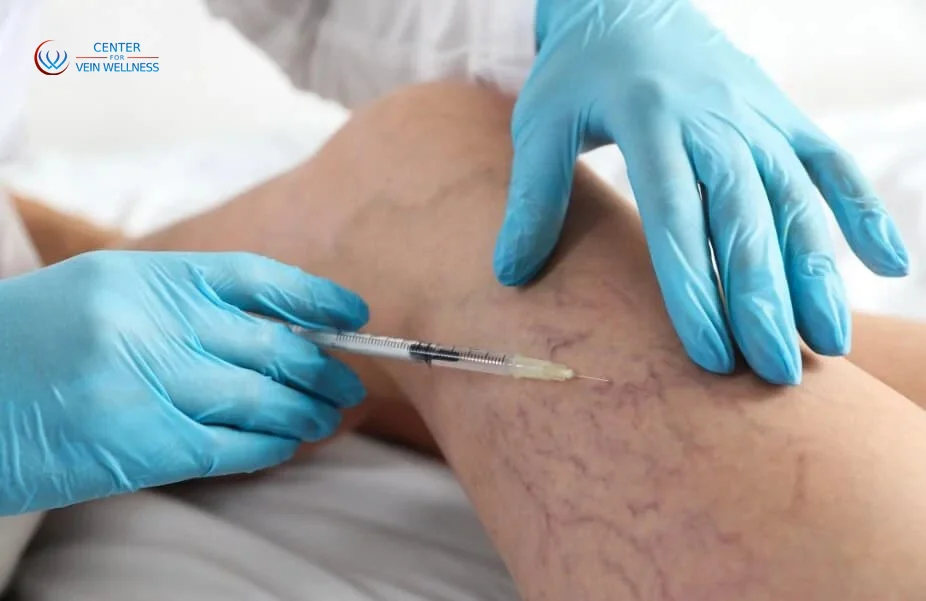
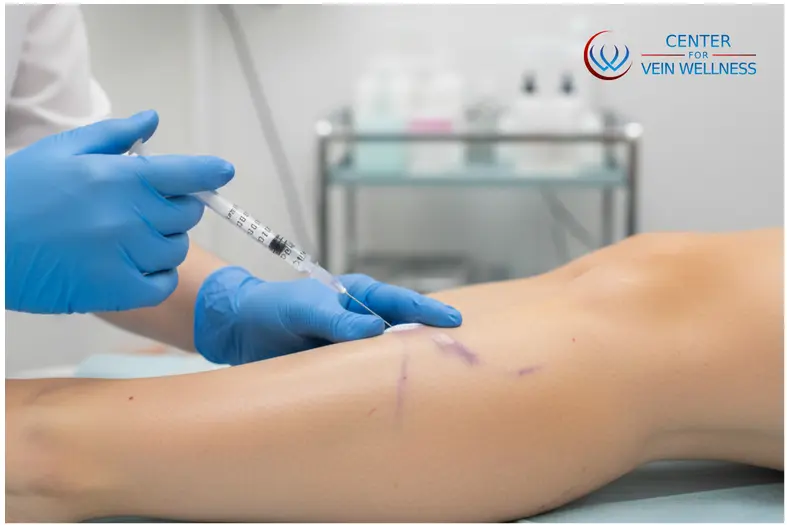
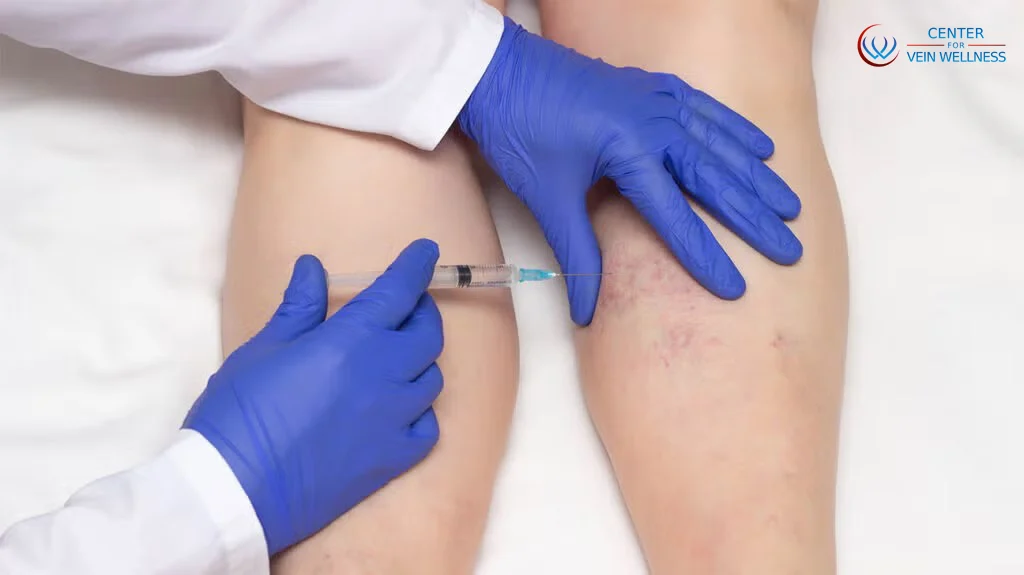
Doctor performing sclerotherapy injection treatment for spider veins and varicose veins on patient’s legs at Center for Vein Wellness clinic.

Understanding Spider Veins and Varicose Veins

Spider veins are small, thin veins that appear close to the surface of the skin. They often look like red, blue, or purple lines and commonly show up on the legs and face. Varicose veins, on the other hand, are larger, swollen, twisted veins that usually develop in the legs due to poor blood circulation.

Both conditions are caused by weak or damaged valves in the veins. When these valves stop working properly, blood flows backward and pools in the veins, causing them to enlarge and become visible. Common risk factors include genetics, pregnancy, aging, long periods of standing or sitting, obesity, and hormonal changes.

While some people experience only cosmetic concerns, others deal with symptoms like aching, heaviness, itching, burning sensations, and leg cramps. This is where sclerotherapy becomes a reliable and effective solution.

What Is Sclerotherapy?

Sclerotherapy is a minimally invasive medical procedure used to treat spider veins and varicose veins. During the treatment, a vein specialist injects a special solution (called a sclerosant) directly into the affected vein. This solution irritates the vein lining, causing it to collapse and seal shut. Over time, the treated vein is absorbed by the body and naturally fades away.

If you want a detailed explanation of how the procedure works, you can read this guide on what sclerotherapy is and how it works. Sclerotherapy is widely used in vein clinics across the U.S. because it is safe, effective, and does not require surgery or long recovery periods.

Key Benefits of Sclerotherapy

1. Non-Surgical and Minimally Invasive

One of the biggest benefits of sclerotherapy is that it does not involve surgery. There are no incisions, stitches, or general anesthesia. The procedure is done using fine needles, making it a comfortable and low-risk treatment option for most patients. This makes it ideal for people who want effective vein treatment without the stress and risks associated with surgical procedures.

2. Effective Treatment for Spider Veins

Sclerotherapy for spider veins is considered the gold standard treatment. It directly targets the damaged veins and helps them fade over time. After a few sessions, patients often see a noticeable improvement in skin appearance, with clearer and smoother-looking legs. For people who feel self-conscious wearing shorts, skirts, or swimsuits because of visible spider veins, sclerotherapy can significantly boost confidence and comfort.

3. Reliable Solution for Varicose Veins

Sclerotherapy for varicose veins is highly effective, especially for smaller and medium-sized varicose veins. It improves blood flow by closing unhealthy veins and redirecting blood to healthier veins. This not only improves appearance but also reduces symptoms like pain, swelling, heaviness, and fatigue in the legs. Patients often report better mobility and improved daily comfort after treatment.

4. Improves Circulation and Vein Health

By closing off damaged veins, sclerotherapy helps restore proper blood circulation in the legs. Healthy veins take over the blood flow, reducing pressure and improving overall vein function. This contributes to better long-term vein health and reduces the risk of future vein problems.

5. Quick Treatment Sessions

Sclerotherapy sessions are usually short, often lasting 20 to 45 minutes depending on the number of veins being treated. This makes it easy to fit into a busy schedule. Many patients return to work and daily activities on the same day. This convenience makes sclerotherapy a popular option for working professionals and busy families in the U.S.

6. Minimal Downtime and Recovery

Unlike surgery, sclerotherapy requires little to no downtime. Patients are typically encouraged to walk immediately after the procedure to promote healthy circulation. Mild side effects like redness, swelling, or bruising may occur, but they usually resolve within a few days. Most people can return to normal activities quickly, making it a practical choice for long-term vein care.

7. Long-Lasting Results

Another major advantage is the durability of the results. Treated veins do not return. While new veins may develop over time due to genetics or lifestyle factors, sclerotherapy provides long-term improvement and can be repeated safely if needed.

8. Boosts Confidence and Quality of Life

Clearer skin, reduced pain, and improved leg comfort all contribute to better quality of life. Many patients feel more confident wearing clothing that shows their legs and experience less daily discomfort. Social confidence, physical activity levels, and emotional well-being often improve after treatment. This emotional and physical improvement is one of the most valuable benefits of sclerotherapy.

9. Supports Long-Term Vein Health

Beyond visible improvements, sclerotherapy plays a key role in maintaining long-term vein health. By eliminating damaged veins, pressure inside the venous system is reduced, helping prevent future vein enlargement and complications. This makes sclerotherapy both a treatment and a preventive care solution.

10. Reduces Risk of Future Vein Complications

Poor circulation can lead to more serious conditions such as skin discoloration, chronic swelling, and venous ulcers. Sclerotherapy improves blood flow patterns, which helps lower the risk of these long-term complications. This makes it a medically beneficial treatment, not just a cosmetic one.

11. Improves Daily Mobility and Comfort

Many patients experience discomfort while standing, walking, or exercising due to vein pressure and poor circulation. After treatment, reduced swelling and pain allow for easier movement, better stamina, and improved daily performance in both work and personal life.

12. Enhances Overall Leg Appearance

In addition to treating damaged veins, sclerotherapy improves overall skin tone and leg appearance. Legs look smoother, clearer, and healthier, which contributes to both physical confidence and everyday lifestyle comfort. Sclerotherapy is suitable for most adults who have spider veins or varicose veins, especially those who experience leg pain, heaviness, swelling, or discomfort, feel bothered by visible veins, want a non-surgical treatment option, or have seen little improvement from lifestyle changes alone. However, a professional vein evaluation is always important to determine the most effective and personalized treatment plan for each individual.

Conclusion: 

The benefits of sclerotherapy go far beyond cosmetic improvement. From treating spider veins and varicose veins to improving circulation, reducing pain, and boosting confidence, this treatment offers a safe, effective, and long-lasting solution for vein problems. Whether you’re dealing with visible veins or uncomfortable leg symptoms, sclerotherapy for spider veins and sclerotherapy for varicose veins can make a real difference in your daily life.

If you’re ready to improve your vein health and restore comfort and confidence in your legs, now is the perfect time to take action. Schedule a consultation with a trusted vein specialist and explore the right treatment plan for your needs. Get in touch with our team today through our Contact us page

Your journey toward healthier, clearer, and more comfortable legs starts with one simple step.

Frequently Asked Questions

Benefits of Sclerotherapy for Spider Veins and Varicose Veins

Sclerotherapy is a minimally invasive vein treatment that involves injecting a special solution into damaged veins. This solution causes the vein to collapse, seal shut, and eventually be absorbed by the body. Blood flow is redirected to healthier veins, improving circulation and reducing vein visibility. It is commonly used to treat spider veins and varicose veins and does not require surgery, stitches, or long recovery periods.
Yes, sclerotherapy is considered one of the safest and most effective treatments for spider veins. It has been used for decades in medical practice and is performed by trained vein specialists. The procedure is minimally invasive, has a low risk of complications, and usually involves only mild side effects like temporary redness or bruising, which typically resolve within a few days.
Yes, sclerotherapy is effective for treating small to medium-sized varicose veins. It works by closing unhealthy veins and allowing blood to reroute through healthier veins. This improves circulation and reduces symptoms such as pain, swelling, heaviness, and fatigue. For larger varicose veins, sclerotherapy may be combined with other vein treatments as part of a complete care plan.
Most patients begin to see visible improvement within a few weeks after treatment. Spider veins may fade faster, while varicose veins can take several weeks to a few months to fully disappear. Results continue to improve over time as the body naturally absorbs the treated veins. Multiple sessions may be needed depending on the severity of the vein condition.
Yes, one of the major benefits of sclerotherapy is improved circulation. By closing damaged veins, blood is redirected into healthy veins, reducing pressure in the venous system. This improves overall blood flow in the legs, decreases swelling, and supports long-term vein health. Better circulation also helps reduce fatigue, heaviness, and discomfort in the legs.
Sclerotherapy is generally well-tolerated by most patients. The injections may cause mild discomfort, similar to a small pinprick, but the procedure is not considered painful. Some patients may feel slight burning or tingling for a few seconds during injection. The overall experience is comfortable, and no anesthesia is required for the treatment.
The number of sessions varies depending on the severity and number of veins being treated. Some patients see good results after one session, while others may need multiple treatments for optimal results. A personalized treatment plan is usually created based on vein condition, health history, and treatment goals to achieve the best long-term outcome.
The treated veins do not return after sclerotherapy. Once a vein is closed and absorbed by the body, it is permanently removed. However, new veins may develop over time due to genetics, aging, pregnancy, or lifestyle factors. Sclerotherapy can be safely repeated in the future if new vein issues appear.
Recovery from sclerotherapy is very quick. Most patients return to normal activities the same day. Walking is encouraged after treatment to promote healthy circulation. Mild redness, bruising, or swelling may occur but usually fades within a few days. There is no need for long rest periods or hospital stays.
Sclerotherapy is ideal for adults who experience leg pain, swelling, heaviness, or discomfort from vein issues, as well as those who are bothered by visible spider veins or varicose veins. It is also suitable for people looking for a non-surgical treatment option with minimal downtime and long-term results. A professional vein evaluation helps determine if it is the right treatment choice.

What Is Sclerotherapy and How Does It Work?

Quick Summary

Closes Problem Veins at the Source — Sclerotherapy works by injecting a medical solution into damaged veins, causing them to collapse, seal shut, and disappear naturally over time.
Improves Both Appearance and Circulation — By removing faulty veins, blood is redirected into healthier veins, reducing visible spider and varicose veins while improving blood flow.
Minimally Invasive and Office-Based — The procedure is performed in a clinic setting with no surgery, no anesthesia, and no downtime required for most patients.
Highly Effective for Spider and Small Varicose Veins — Sclerotherapy is one of the most proven treatments for spider veins and mild to moderate varicose veins.
Backed by Decades of Medical Use — Sclerotherapy has been safely used for over 80 years and remains a gold-standard treatment for cosmetic and functional vein issues.

Spider veins and small varicose veins are extremely common, especially in adults who spend long hours standing, sitting, or dealing with hormonal changes. If you’re searching online for what sclerotherapy is, how sclerotherapy works, or whether there’s a safe way to treat visible veins, you’re in the right place. In this blog, we’ll clearly explain what sclerotherapy is, how it treats vein problems, how it works inside the body, and what actually happens during the procedure, so you can understand the treatment before deciding if it’s right for you.

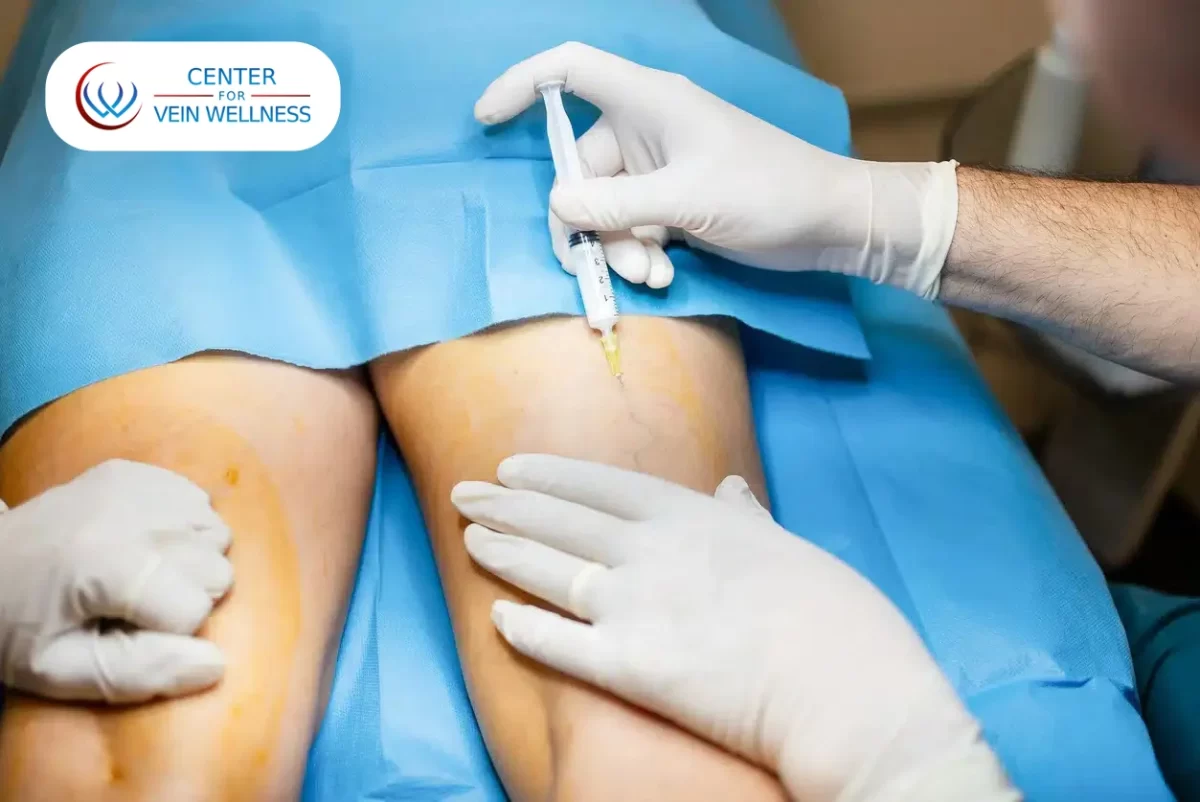
Sclerotherapy treatment in progress as a medical professional injects solution into a patient’s leg vein.

What Is Sclerotherapy?

Sclerotherapy is a minimally invasive medical treatment designed to eliminate unwanted veins by closing them safely from the inside. It has been used for over 80 years and remains one of the most trusted treatments for spider veins and small to medium varicose veins.

Rather than removing veins surgically, sclerotherapy works by injecting a medical solution called a sclerosant directly into the affected vein. This solution gently irritates the inner lining of the vein, causing it to swell, collapse, and seal shut. Over time, the body naturally absorbs the closed vein and reroutes blood flow through healthier veins.

Because the body no longer uses the treated vein, the visible discoloration fades and circulation improves. This is why sclerotherapy is both a cosmetic and functional treatment, it improves how your legs look and how your veins function.

Unlike surgery, sclerotherapy:

● Requires no incisions or stitches

● Does not need anesthesia

● Is performed in a medical office

● Allows patients to walk immediately afterward

That’s why it’s often called a “lunchtime procedure”, it’s quick, convenient, and effective.

How Does Sclerotherapy Work?

To understand how sclerotherapy works, it helps to first understand why spider veins and varicose veins appear.

Veins carry blood back to the heart using tiny one-way valves. When these valves weaken or fail, blood flows backward and pools inside the vein. This increased pressure stretches the vein walls, making them visible on the skin’s surface as spider veins or bulging varicose veins.

Sclerotherapy works by intentionally closing the faulty vein so blood can no longer pool inside it.

Here’s what happens inside your body:

  1. The sclerosant solution damages the inner lining of the vein.
  2. The vein walls stick together and seal closed.
  3. Blood flow stops in that vein.
  4. The body recognizes the closed vein as unnecessary.
  5. The vein is slowly absorbed and removed by the body’s natural processes.

Once that happens, blood is redirected to nearby healthy veins with functioning valves. This improves overall circulation and reduces pressure buildup in the vein system.

So when people ask how does sclerotherapy work, the simple answer is:
It shuts down damaged veins so healthy veins can take over, safely and naturally.

Sclerotherapy for Varicose Veins and Spider Veins

Sclerotherapy for varicose veins and spider veins is especially effective for small to medium-sized veins close to the skin’s surface. It’s commonly used to treat:

● Spider veins (thin red, blue, or purple web-like veins)

● Reticular veins (slightly larger blue-green veins)

● Mild to moderate varicose veins

While larger varicose veins may require different or additional treatments, sclerotherapy remains one of the most popular options because it delivers visible improvement without surgery.

Why it works so well for visible veins:

● The sclerosant directly targets the problem vein

● The treatment is precise and localized

● It does not affect surrounding healthy veins or tissues

● Multiple veins can be treated in a single session

Many patients choose sclerotherapy not only to improve the appearance of their legs but also to reduce symptoms like heaviness, fatigue, or mild aching that can come from vein pressure.

If you’d like to explore professional treatment options in more detail, you can visit the dedicated sclerotherapy service page for a full overview of how the treatment is offered in a clinical setting.

What Happens During a Sclerotherapy Procedure?

A sclerotherapy session is usually done in a doctor’s office and takes about 20–45 minutes, depending on the number of veins treated.

Step-by-step process:

  1. The treatment area is cleaned.

  2. A very fine needle is used to inject the sclerosant solution into the vein.

  3. You may feel a mild pinch or burning sensation that lasts a few seconds.

  4. The vein gradually collapses as the solution works.

  5. Compression stockings may be applied afterward.

There is no anesthesia required, and you can walk immediately after the procedure.

Is Sclerotherapy Painful?

Most patients describe sclerotherapy as mildly uncomfortable but not painful. You may feel a small pinch during the injection, followed by a brief burning or tingling sensation, and sometimes mild itching or cramping for a few minutes afterward. These sensations typically fade quickly, and the procedure is generally well tolerated without the need for pain medication or sedation.

Conclusion

Understanding what sclerotherapy is, how sclerotherapy works, and how it treats spider and varicose veins can help you make an informed decision about your vein health. By safely closing damaged veins and allowing the body to naturally absorb them, sclerotherapy offers a simple, effective, and minimally invasive way to improve both appearance and circulation.

If you’re considering treatment or want personalized advice based on your vein condition, the next step is to speak with a vein specialist. You can request more information or book a consultation through the Contact Us page and get expert guidance on whether sclerotherapy is right for you.

Frequently Asked Questions

What Is Sclerotherapy and How Does It Work?

Sclerotherapy is a minimally invasive medical procedure used to treat spider veins and small varicose veins. A special solution is injected into the affected vein, causing it to collapse and seal shut. Over time, the body naturally absorbs the closed vein and blood flow is redirected to healthier veins.
Sclerotherapy works by injecting a sclerosant solution into a damaged vein, which irritates the vein lining and causes it to collapse and close. The closed vein is then gradually absorbed by the body, and blood is rerouted through nearby healthy veins, improving circulation and appearance.
Sclerotherapy is most effective for spider veins, reticular veins, and small to medium-sized varicose veins located close to the skin’s surface. Larger or deeper varicose veins may require other treatments or ultrasound-guided procedures depending on their size, depth, and severity.
Sclerotherapy permanently treats the veins that are injected, and those veins will not return. However, new spider veins or varicose veins can develop over time due to genetics, aging, hormonal changes, or lifestyle factors, which may require future treatments to maintain results.
A typical sclerotherapy session lasts between 20 and 45 minutes, depending on the number and size of veins being treated. The procedure is done in a medical office and patients can walk immediately afterward, making it a convenient option for many people.
Yes, sclerotherapy is considered very safe when performed by trained and experienced medical professionals. It has been used worldwide for decades and has a strong safety record. Side effects are usually mild and temporary, such as minor redness, bruising, or swelling at the injection site.
No, sclerotherapy is a non-surgical procedure. It does not involve incisions, stitches, or anesthesia. The treatment is performed using small injections, and patients can return to normal daily activities shortly after the procedure without needing a recovery period associated with surgery.
The number of sessions needed varies depending on the number, size, and type of veins being treated. Some patients see improvement after one session, while others may need multiple treatments spaced several weeks apart to achieve the desired cosmetic and functional results.
Sclerotherapy is mainly used to treat veins on the legs. Facial veins are usually treated with laser therapy or other specialized procedures because facial skin and veins are more delicate and require different techniques for safe and effective treatment.
Spider veins and varicose veins develop when vein valves weaken and allow blood to pool in the veins. This can happen due to genetics, aging, pregnancy, hormonal changes, obesity, or long periods of standing or sitting, which increase pressure in the vein system.

How to Care for Your Skin After Facial Vein Treatment

Quick Summary:

1. Redness fades in 24–72 hours – Most patients see visible skin calm within three days.
2. Full healing takes 2–3 weeks – Treated veins are gradually absorbed by the body.
3. Sun protection is mandatory – Daily SPF 30+ prevents pigmentation and delays in healing.
4. Heat and workouts must be avoided for 48 hours – Hot showers, saunas, and intense exercise can increase swelling.
5. Harsh skincare delays recovery – Retinol, acids, exfoliants, and vitamin C should be avoided for at least one week.

Caring for your skin after facial vein treatment is essential to help the skin heal properly, reduce redness, and protect your results. Below is a clear, step-by-step guide on what to do, what to avoid, and how to support a healthy recovery. These facial vein aftercare tips apply to most laser-based and minimally invasive procedures used to treat facial veins. After treatment, care for your skin by keeping it clean and well-moisturized using gentle, fragrance-free products, and strictly protect it from the sun with SPF 50+ sunscreen. Avoid heat, strenuous exercise, harsh skincare products such as retinol or exfoliating acids, and makeup for at least one week to allow proper healing. Do not pick at any scabs, and manage swelling with cool compresses as needed.

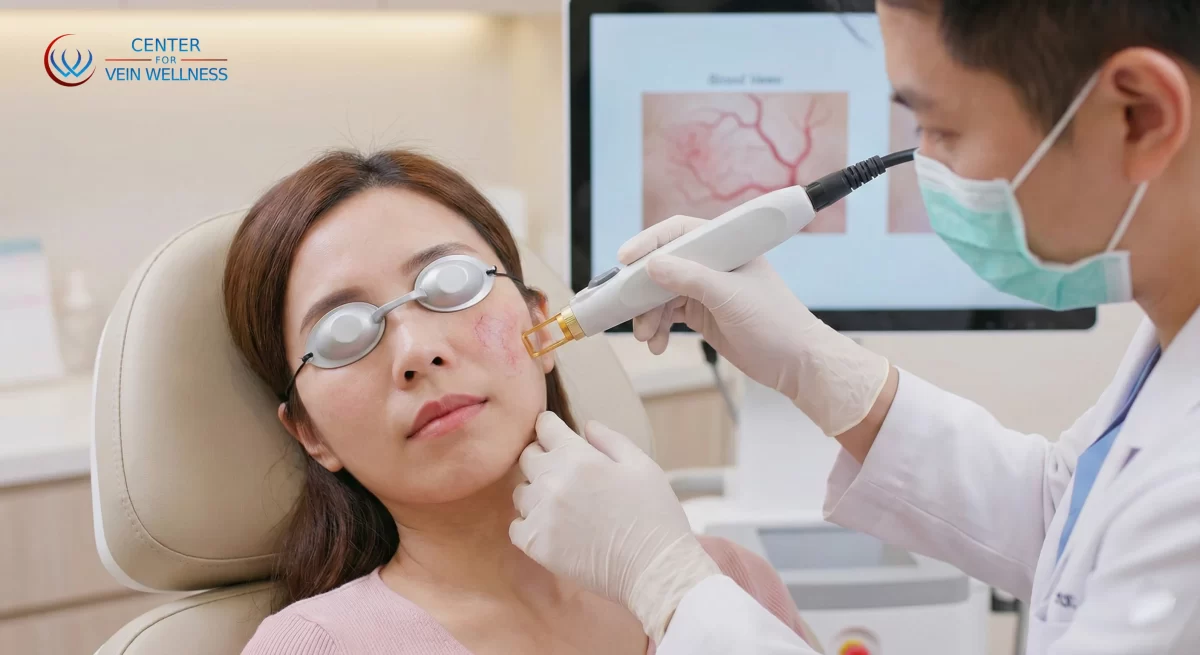
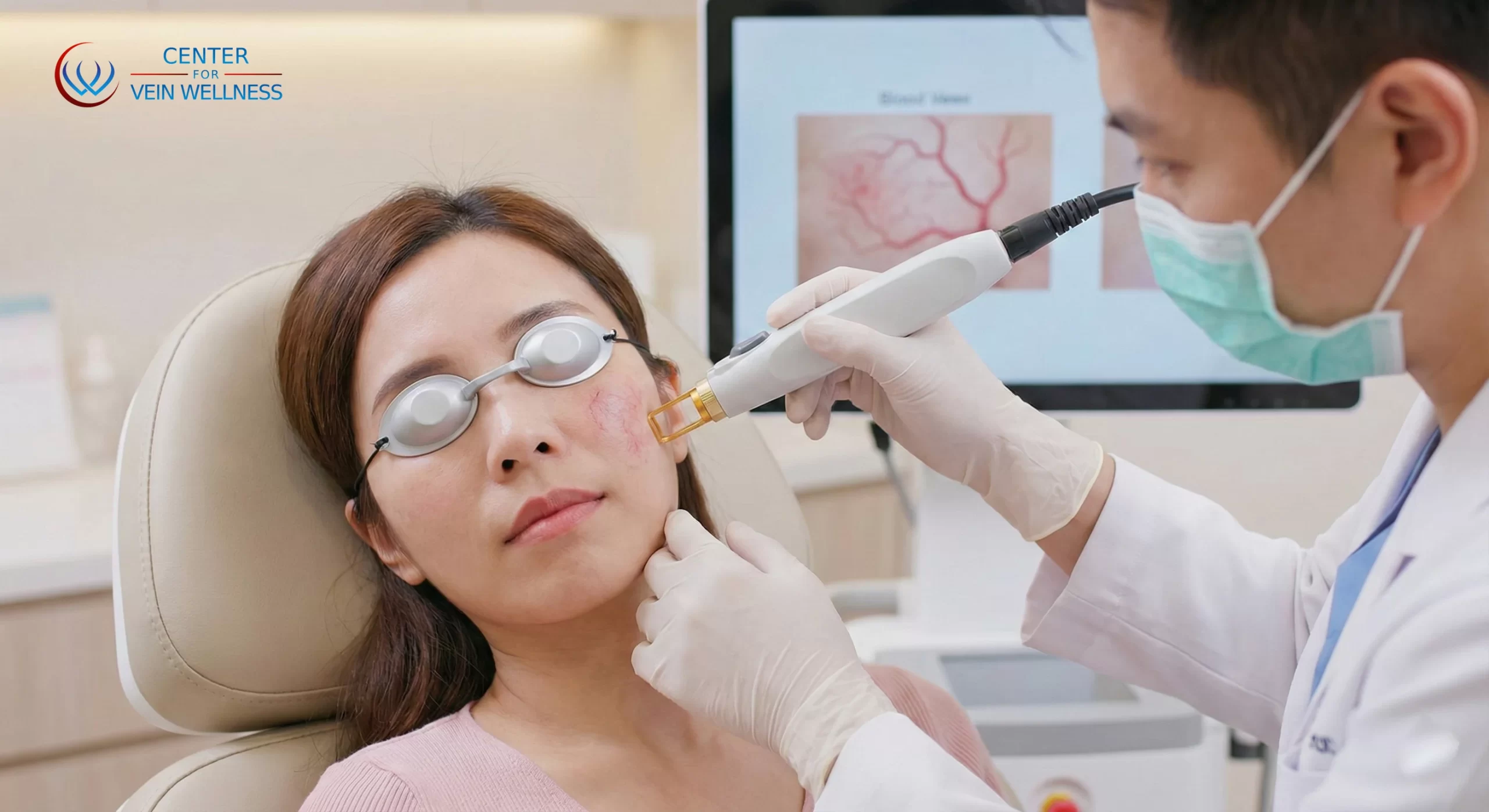
Doctor performing laser facial vein treatment on a patient’s cheek while the patient wears protective eye shields in a clinical setting.

Understanding Facial Vein Treatment and Why Aftercare Matters

Facial vein treatment is designed to safely reduce or eliminate visible blood vessels on the face using advanced technologies, such as laser therapy or sclerotherapy. These treatments target broken capillaries, spider veins, and facial redness caused by sun damage, aging, or rosacea.

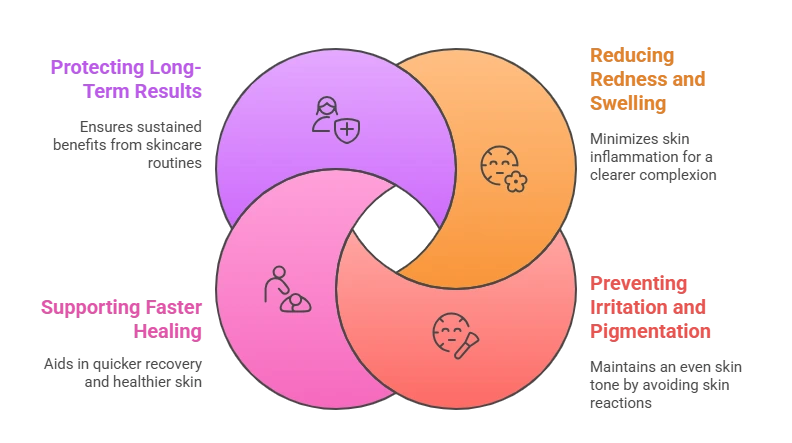
While the treatment itself is minimally invasive, your skin still needs time to heal. Aftercare plays a major role in:

Infographic showing key benefits of facial vein treatmen,t including faster healing, reduced redness, long-lasting results, and prevention of pigmentation.

Following the right aftercare routine ensures your skin recovers smoothly while maximizing the benefits of your procedure.

If you’re considering treatment or would like to explore your options with a trusted provider, learn more about our advanced facial vein treatment services

Essential Aftercare Guidelines for Facial Vein Treatment

1. Keep Your Skin Cool

Heat can worsen redness and slow healing, so for the first 48 hours after facial vein treatment, you should avoid hot showers, saunas, or steam rooms, and intense workouts. If you notice any swelling, gently apply a cold compress (never ice directly on the skin) for 10–15 minutes at a time to help calm the area and reduce inflammation.

2 Avoid Sun Exposure

Sun protection is one of the most important parts of aftercare, as UV rays can cause skin discoloration and slow down the healing process. After treatment, make sure to apply SPF 30+ broad-spectrum sunscreen daily, wear a hat whenever you’re outdoors, and avoid tanning beds entirely. Even brief sun exposure can impact your results, so consistent protection is essential for proper recovery.

3. Keep Your Skincare Routine Gentle

For the first week after facial vein treatment, keep your skincare routine gentle and simple. Use a mild, fragrance-free cleanser to avoid irritation, apply a lightweight moisturizer to maintain hydration, and stick to a mineral-based sunscreen for daily protection. Avoid products that may irritate the skin, such as retinol, AHAs and BHAs (exfoliating acids), vitamin C serums, scrubs, exfoliating brushes, and acne treatments. During this time, your skin needs to rest and recover naturally.

4. Skip Makeup for 24 Hours

Makeup can trap bacteria, clog pores, and irritate sensitive, healing skin after facial vein treatment. Applying cosmetics too soon may increase the risk of redness, breakouts, or infection. It’s best to wait at least one full day before using any makeup, and when you do resume, choose light, non-comedogenic, and fragrance-free products to avoid triggering irritation while your skin continues to heal.

5. Avoid Touching or Rubbing the Area

Do not scratch, rub, or pick at any peeling, scabs, or dry spots, even if the area feels itchy or irritated. Allow the skin to heal naturally, as picking can delay recovery, increase the risk of infection, and lead to scarring or unwanted skin pigmentation. Letting the treated area shed and renew on its own helps ensure smooth, even healing and better overall results.

6. Stay Hydrated and Avoid Alcohol & Smoking

Hydrated skin heals faster because proper moisture supports cell repair and improves overall skin resilience after treatment. Drinking plenty of water helps flush out toxins and keeps your skin supple during recovery. At the same time, avoiding alcohol and smoking is important, as both can slow down the healing process, increase inflammation, and place extra stress on your blood vessels. Limiting these habits not only speeds up recovery but also helps preserve the results of your facial vein treatment for a longer period.

7. Know the Normal Healing Timeline

Most patients notice that redness begins to fade within 24 to 72 hours after treatment, while any mild bruising that occurs may take about 5 to 10 days to fully resolve. Sensitivity in the treated area typically improves within the first few days as well. Although the visible recovery happens quickly, full skin healing and optimal results usually develop over a period of 2 to 3 weeks as the body naturally absorbs the treated veins and the skin tone continues to even out.

8. When to Contact Your Provider

You should call your vein specialist if you notice increasing pain that lasts beyond 48 hours, blistering or oozing at the treatment site, any signs of infection such as redness, warmth, or discharge, or severe or sudden swelling. While these issues are rare, they should always be treated promptly to prevent complications and ensure proper healing.

Conclusion

Good aftercare is the key to smooth healing and long-lasting results after facial vein treatment. By following these simple steps, protecting your skin from the sun, keeping your routine gentle, avoiding heat, and giving your skin time to heal, you can ensure your results look their best.

If you need personalized aftercare support or would like to schedule your facial vein treatment, our expert team is here to help. Contact us today to book your appointment.

Frequently Asked Questions

How to Care for Your Skin After Facial Vein Treatment

Most patients heal within 2 to 3 weeks, with redness fading in a few days and bruising resolving in about a week.
Yes, but strict sun protection is required. Always wear sunscreen and avoid direct sun exposure.
Yes, mild swelling is common and usually resolves within 24 to 48 hours.
You should wait at least 24 hours before applying makeup to prevent irritation and infection.
Yes, but only with lukewarm water and a gentle, fragrance-free cleanser.
Avoid retinol, chemical exfoliants, vitamin C, acne treatments, and physical scrubs for at least 7 days.
Light walking is fine, but intense workouts should be avoided for 48 hours.
This is a normal part of the healing process as the body breaks down the treated veins.
Yes, new veins can appear over time due to aging, sun exposure, or lifestyle factors.
If you experience severe pain, signs, blistering, or sudden swelling, contact your provider immediately.

Liquid Sclerotherapy vs VeinGogh: What’s the Best Treatment for Facial Spider Veins?

Quick Summary:

1. VeinGogh Works Best for Tiny Facial Veins  – Uses precise microbursts of energy to target fine red veins without harming surrounding skin.
2. Sclerotherapy Treats Larger or Deeper Veins – A medical solution is injected into the vein, making it collapse and fade over time.
3. Results Appear Faster With VeinGogh – Many patients see instant cosmetic improvement, while sclerotherapy results develop over several weeks.
4. Both Treatments Have Minimal Downtime – VeinGogh is non-invasive, and sclerotherapy involves only minor injections, allowing quick recovery.
5. Choosing the Right Treatment Depends on Vein Size – Small, red spider veins respond best to VeinGogh, while bigger blue or green veins are better suited for sclerotherapy.

Facial spider veins are a common cosmetic concern, especially when they show up on the nose, cheeks, or chin. Two of the most popular treatments used today are Liquid Sclerotherapy and VeinGogh. While both can help reduce unwanted veins, VeinGogh is often the better choice for tiny facial spider veins because it is very precise and gentle. It uses quick bursts of heat to target the vein without harming the skin around it. Sclerotherapy, on the other hand, works well for larger veins, especially on the legs, but it’s not always the best option for very small facial veins and may take longer to show results. In this blog, we’ll explain how each treatment works, compare VeinGogh vs sclerotherapy, share the benefits of both options, and help you decide which treatment may be right for your facial spider veins. We’ll also point you to helpful resources and show you how to contact a specialist for expert guidance.

Doctor performing liquid sclerotherapy by injecting a solution into spider veins on a patient's leg.

What Causes Facial Spider Veins?

Facial spider veins, also known as telangiectasia, can appear for several reasons. Genetics often play a major role, but factors like prolonged sun exposure, aging, and hormonal changes can also contribute. Skin conditions such as rosacea, along with environmental triggers like extreme temperatures, may make these tiny veins more visible. Certain lifestyle habits, including smoking or alcohol use, can further increase the likelihood of developing facial spider veins. While these veins are usually harmless, many people choose to treat them because they are highly noticeable on the face.

What Is Liquid Sclerotherapy?

Liquid sclerotherapy is a proven treatment that involves injecting a medical solution directly into the unwanted vein. The solution irritates the vein walls, causing the vein to collapse and fade naturally over time.

Liquid sclerotherapy offers several benefits for individuals dealing with visible facial veins. It works especially well on larger or deeper veins that may not respond to surface-level treatments, making it a reliable option for more stubborn cases. The procedure provides long-lasting results with minimal downtime, allowing patients to return to their day quickly. Because it’s a quick in-office treatment, many people find it convenient and effective for restoring a clearer, more even facial appearance. To explore detailed information on how facial veins are treated, you can check the Facial Veins Treatment page.

What Is VeinGogh Treatment?

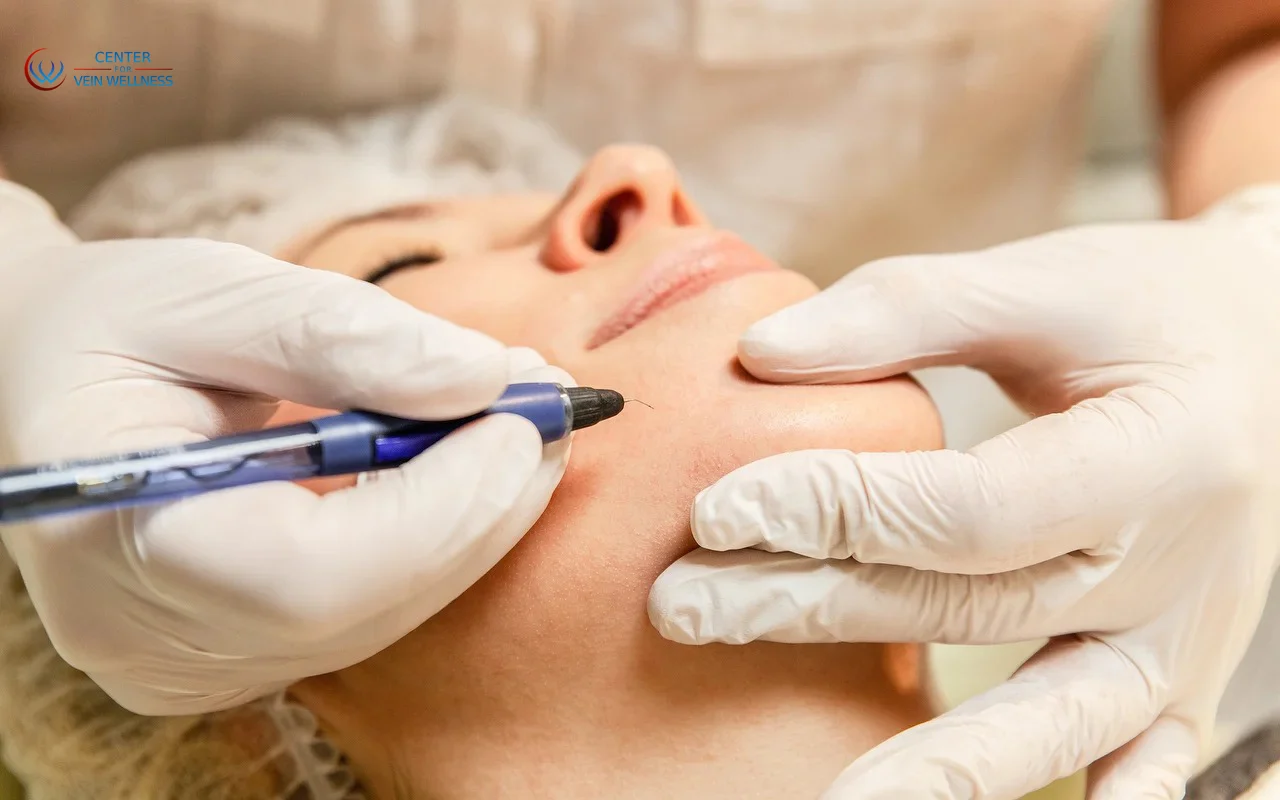
A specialist using a VeinGogh device to treat fine facial spider veins on a patient's chin.

VeinGogh treatment is an advanced option for treating very fine, red spider veins and broken capillaries. Instead of injections, VeinGogh uses microburst technology, high-frequency energy delivered through a tiny probe that gently heats and closes the vein.

VeinGogh treatment offers several advantages, especially for individuals with very small, red, or thread-like spider veins. Since the procedure uses microburst technology instead of needles, there are no injections involved, making it a comfortable option for most patients. Many people notice immediate cosmetic improvement after treatment, and because it doesn’t cause bruising, the recovery is quick with minimal downtime. VeinGogh is also highly effective in delicate facial areas such as the nose and cheeks, where precision is essential for safe and natural-looking results.

VeinGogh vs Sclerotherapy: What’s the Difference?

Below is a clear breakdown of how these two treatments compare:

Feature

VeinGogh Treatment

Liquid Sclerotherapy

Best For

Tiny red spider veins & broken capillaries

Larger or slightly deeper blue/green veins

How It Works

Uses high-frequency microbursts of energy to close veins

A medical solution is injected to collapse the vein

Invasive?

Non-invasive (no needles)

Minimally invasive (small injections)

Pain Level

Mild warm or quick zap sensation

Mild injection sensation

Results

Often immediate cosmetic improvement

Gradual fading over weeks

Downtime

No downtime

Minimal downtime

Sessions Needed

1–2 sessions for small veins

1–3 sessions depending on vein size

Ideal Treatment Areas

Nose, cheeks, chin, under-eye capillaries

Slightly larger veins across the face

How to Choose the Best Treatment for Facial Spider Veins

Choosing the best treatment for facial spider veins depends on your vein type, size, visibility, and skin sensitivity.

Choose VeinGogh if:

● Your veins are tiny, red, and thread-like

● You prefer a non-invasive option

●You need precise treatment in sensitive areas

Choose Liquid Sclerotherapy if:

● Your veins are larger or have a bluish tint

● You want long-lasting results

● You need treatment for veins that are deeper under the skin

Some patients benefit from a combination of both treatments for the most complete results. A vein specialist can help evaluate which method will work best for your specific concerns.

Conclusion

Both Liquid Sclerotherapy and VeinGogh treatment are excellent and effective options for treating facial spider veins each serving different types of veins and cosmetic needs. VeinGogh delivers precise, instant improvement for tiny red veins, while sclerotherapy offers powerful results for larger or deeper facial veins. Understanding the differences helps you make the right choice for your skin.

Contact us today to schedule your consultation with one of our experienced vein specialists. We’re here to help you achieve lasting results and renewed confidence. Clear, confident skin is just a consultation away.

Frequently Asked Questions:

Liquid Sclerotherapy vs VeinGogh: What’s the Best Treatment for Facial Spider Veins?

For tiny red veins on the face, VeinGogh is usually considered the best option because it targets small vessels with precision. Larger or deeper veins may respond better to liquid sclerotherapy.tion
Yes. VeinGogh is designed for delicate areas like the nose, cheeks, and under-eye regions and works without damaging surrounding skin.
Many patients notice results immediately after treatment. Any redness typically fades within a few hours.
Sclerotherapy results appear gradually, usually over 2–6 weeks, as the treated vein collapses and fades.
Sclerotherapy can be used on some facial veins, but it is generally reserved for slightly larger blue or green veins. Fine red spider veins are usually better treated with VeinGogh.
No. VeinGogh is a non-invasive procedure that uses a tiny probe delivering heat, not injections.
Very little to none. Most patients can return to regular activities right away.
Many patients see improvement in just one session, though thin or widespread veins may require a second treatment.
Most people describe sclerotherapy as a mild injection pinch. It’s generally well tolerated and requires no anesthesia.
Yes. Some patients benefit from a combination approach—VeinGogh for tiny red veins and sclerotherapy for larger or deeper veins.

What Causes Facial Veins and How to Prevent Them

Quick Summary:

1.Sun Damage Weakens Veins – Prolonged UV exposure breaks down collagen and damages capillary walls, leading to visible facial veins, especially on the nose and cheeks.
2.Genetics and Aging Play a Major Role – Family history and natural aging reduce skin elasticity, making veins more prominent over time.
3.Lifestyle Triggers Matter – Excessive alcohol use, smoking, and sudden temperature changes increase the risk of developing facial veins.
4.Prevention Starts with Protection – Using sunscreen daily, maintaining a gentle skincare routine, and eating antioxidant-rich foods can help prevent facial veins.
5.Professional Treatments Are Effective – Laser therapy and sclerotherapy safely target and remove visible facial veins, restoring smoother, clearer skin.

Facial veins, often seen as fine red, blue, or purple lines beneath the skin, can appear suddenly and make many people feel self-conscious about their appearance. In this blog, we’ll break down what causes facial veins, uncover the most common triggers behind their appearance, and share simple yet effective tips on how to prevent facial veins from forming or worsening. We’ll also touch on proven treatment options to help you achieve clearer, healthier-looking skin.

Facial veins are primarily caused by factors such as sun exposure, aging, genetics, and skin trauma. Lifestyle habits like frequent exposure to extreme temperatures, smoking, and alcohol consumption can also make them more noticeable. To minimize the risk, protect your skin by wearing sunscreen and a wide-brimmed hat, avoiding sudden temperature changes, and following a gentle skincare routine. Reducing alcohol and smoking, along with properly managing conditions like rosacea, can further lower your chances of developing facial veins over time.

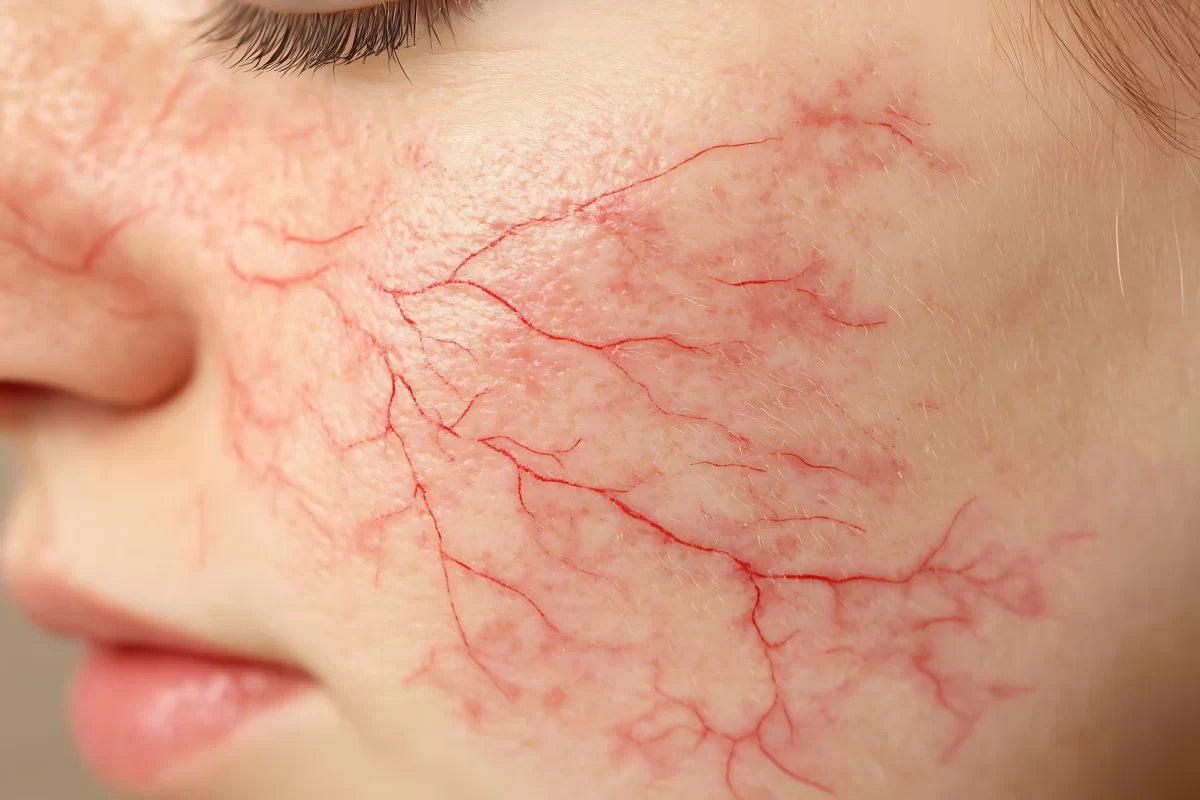
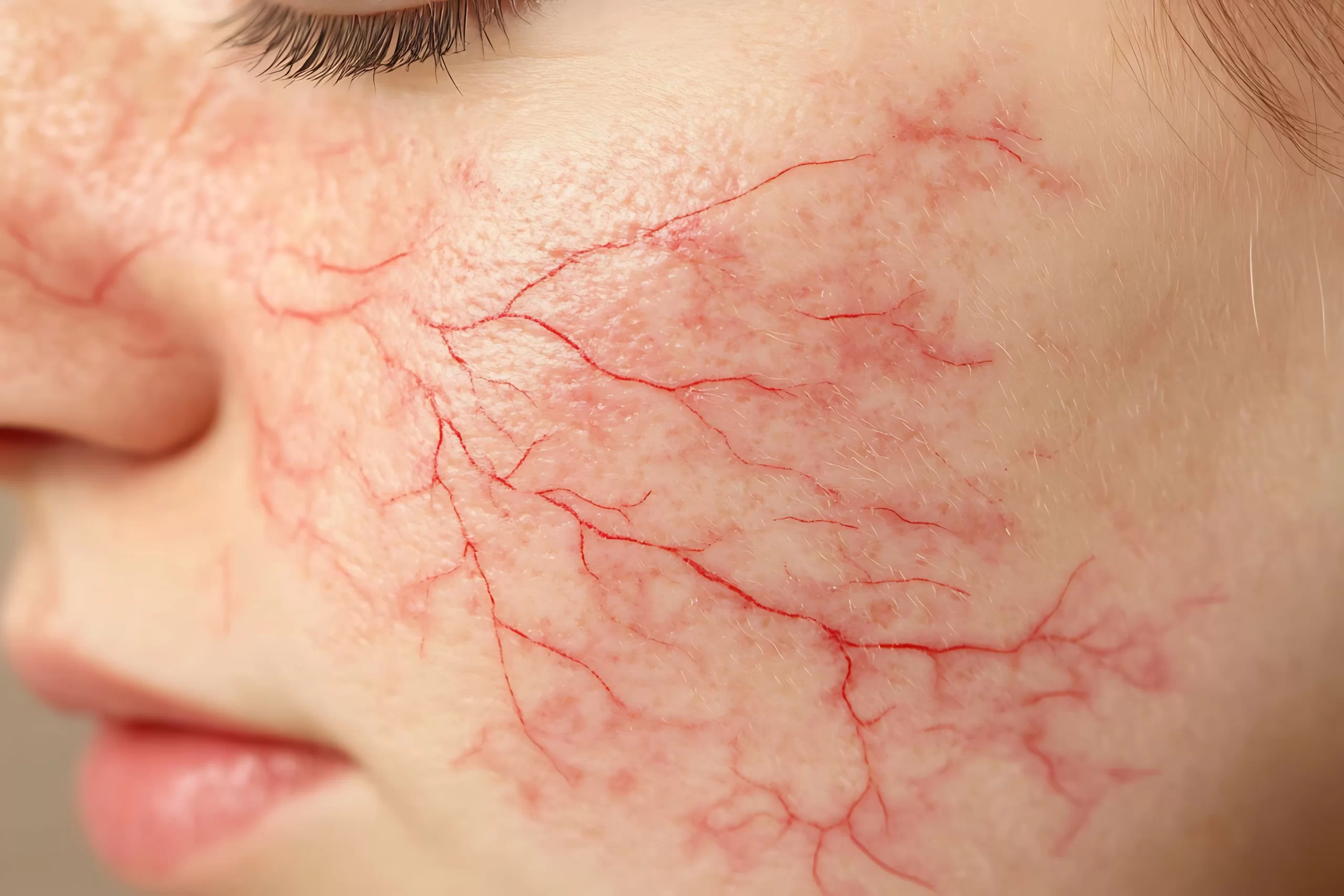
Close-up view of facial spider veins and broken capillaries on a woman’s cheek showing visible red veins beneath the skin.

Understanding Facial Veins

Facial veins, also known as spider veins or broken capillaries, are small blood vessels that become visible when they expand or break near the surface of the skin. These veins are commonly seen on the cheeks, nose, and chin. While they’re harmless in most cases, they can impact one’s appearance and confidence.

Unlike varicose veins that occur deeper in the legs, facial veins are typically a surface-level cosmetic concern. However, their appearance may also signal skin sensitivity or early signs of vascular weakness, particularly among people with fair or sun-damaged skin.

Common Causes of Facial Veins

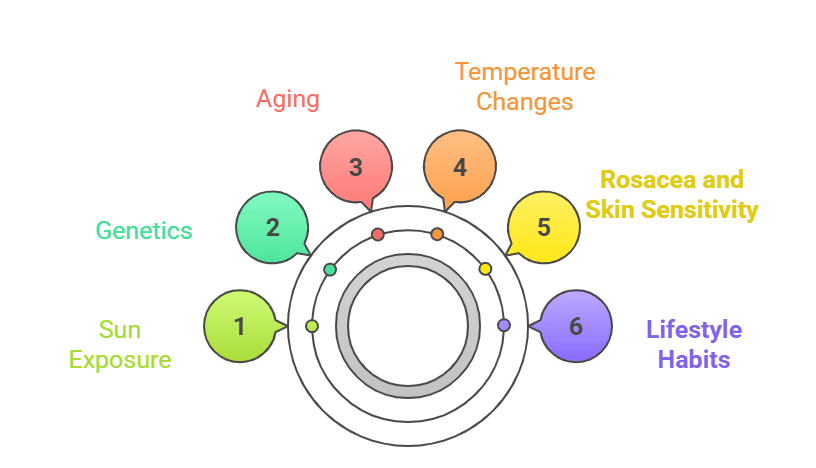
 Infographic showing the common causes of facial veins, including sun exposure, genetics, aging, temperature changes, rosacea, and lifestyle habits.

1. Sun Exposure

Excessive exposure to ultraviolet (UV) rays is one of the leading causes of facial veins. When your skin absorbs too much sun, UV radiation weakens the tiny blood vessel walls and reduces collagen, the protein responsible for keeping your skin firm and elastic. As a result, the vessels expand and become more visible through the skin’s surface.
Over time, this sun-induced damage leads to broken capillaries, redness, and uneven skin tone, especially around the nose, cheeks, and forehead. People who spend long hours outdoors, such as runners, gardeners, or outdoor workers, are more likely to experience these effects if they don’t consistently use sun protection.

2. Genetics

Your family history can play a big role in whether or not you develop facial veins. If your parents or grandparents had visible veins, there’s a strong chance you may, too. Genetics influence the thickness and elasticity of your skin as well as the strength of your blood vessel walls. If you have fair or delicate skin, you may be more prone to seeing these small red or blue veins on your face, even at a younger age.

3. Aging

As we grow older, our skin naturally becomes thinner and less elastic due to a decrease in collagen and elastin production. This makes blood vessels more fragile and visible. Around your 40s and beyond, even minor pressure or temperature changes can cause veins to break or expand. Additionally, the body’s ability to repair damaged skin slows down with age, allowing visible veins to linger longer than they did before.

4. Temperature Changes

Sudden or frequent exposure to extreme temperatures can cause facial veins to appear faster than you might expect. When moving from hot to cold environments, like stepping out of an air-conditioned building into summer heat, your blood vessels expand and contract rapidly. Over time, this repeated process can weaken the vessel walls. Regularly taking hot showers, using saunas, or spending extended time in freezing weather can also stress your capillaries and make facial veins more prominent.

5. Rosacea and Skin Sensitivity

Individuals with rosacea or sensitive skin are at higher risk of developing visible veins. Rosacea causes chronic inflammation, which leads to persistent redness and swelling that put constant pressure on the capillaries beneath the skin. Over time, these delicate vessels can rupture or dilate, creating spider-like veins that don’t fade on their own. Properly managing rosacea through medication, skincare, and lifestyle changes can help reduce flare-ups and protect your skin’s appearance.

6. Lifestyle Habits

Unhealthy habits such as excessive alcohol consumption, smoking, and poor diet are also significant contributors. Alcohol dilates the blood vessels, which can make them more likely to burst, while smoking damages collagen and slows down circulation. Poor nutrition, dehydration, and lack of antioxidants weaken both your skin and your vascular system. Making mindful changes to your lifestyle can go a long way in maintaining strong, healthy blood vessels and preventing new facial veins from forming.

If you already notice visible veins and want to explore safe, advanced treatment options, visit our Facial Veins Treatment page to learn more about professional care designed to restore smooth, even-toned skin.

How to Prevent Facial Veins

1. Protect Your Skin from the Sun

Wearing sunscreen daily is one of the easiest and most effective ways to prevent facial veins. Choose a broad-spectrum SPF 30 or higher and reapply every two hours if you’re outdoors. Pair sunscreen with a wide-brimmed hat and sunglasses for extra protection. Avoid prolonged sun exposure during peak hours (10 AM–4 PM), and don’t forget areas like your nose and cheeks, which are most vulnerable to sun damage.

2. Be Gentle with Your Skin

Rough exfoliation and strong chemical treatments can aggravate your skin and lead to broken capillaries. Instead, choose gentle cleansers and soothing products designed for sensitive skin. Look for ingredients such as vitamin C, niacinamide, and aloe vera to strengthen your skin barrier and improve circulation without irritation. Remember, being consistent with a gentle skincare routine is better than using harsh products occasionally.

3. Limit Alcohol and Smoking

Alcohol and tobacco both have a major impact on blood vessel health. Alcohol dilates capillaries, increasing the risk of rupture, while smoking restricts oxygen flow to the skin and accelerates aging. Reducing or eliminating these habits can significantly lower your chances of developing facial veins and improve your overall complexion.

4. Avoid Extreme Temperatures

Try not to expose your face to sudden temperature changes. If you love long, hot showers or saunas, consider lowering the heat a little. Similarly, during winter, protect your face with scarves and avoid washing it with very hot or cold water. Using a humidifier indoors can also help prevent skin dryness that makes capillaries more visible.

5. Maintain a Healthy Diet

Your skin and blood vessels reflect what you eat. A diet rich in antioxidants, vitamin C, and omega-3 fatty acids can help strengthen capillary walls and improve circulation. Add foods like blueberries, spinach, salmon, citrus fruits, and green tea to your meals. Staying hydrated also helps maintain healthy, elastic skin, reducing the risk of broken veins.

6. Consider Professional Treatments

If facial veins persist or become more noticeable, don’t worry, modern vein treatments are safe, fast, and effective. Laser therapy uses precise light energy to shrink visible veins, while sclerotherapy involves injecting a gentle solution that causes damaged veins to fade over time. These minimally invasive options can restore a clearer, more even skin tone without downtime.

You can learn more about these advanced, doctor-recommended solutions on our Facial Veins Treatment page, where our specialists explain each procedure and what kind of results you can expect.

Final Thoughts

Facial veins may be common, but they don’t have to be permanent. By understanding the causes of facial veins and taking preventive measures, you can protect your skin and reduce their appearance. And if you’re already dealing with visible veins, professional treatments can help restore a smooth, healthy-looking complexion.

Ready to take the next step toward clearer skin? Contact us today to schedule your consultation with one of our experienced vein specialists. We’re here to help you achieve lasting results and renewed confidence.

Frequently Asked Question

What Causes Facial Veins and How to Prevent Them

Facial veins, also known as spider veins or broken capillaries, are small, visible blood vessels that appear just beneath the surface of the skin, usually on the nose, cheeks, or chin.
Facial veins can develop due to sun exposure, genetics, aging, rosacea, temperature changes, and certain lifestyle habits such as smoking or excessive alcohol consumption.
Yes. UV rays break down collagen and weaken blood vessel walls, making them more prone to breaking and appearing as fine red or blue lines on the face.
In most cases, facial veins won’t go away on their own. However, they can be safely treated through professional procedures like laser therapy or sclerotherapy.
People with fair skin, a family history of spider veins, or conditions like rosacea are more prone to developing facial veins. Age and frequent sun exposure also increase the risk.
Protect your face from the sun with SPF 30 or higher, avoid hot showers and extreme temperature changes, quit smoking, limit alcohol intake, and use gentle skincare products.
Usually, facial veins are cosmetic and not harmful. However, in some cases, they may be linked to skin conditions like rosacea or high blood pressure, so professional advice is recommended.
Laser vein removal and sclerotherapy are among the most effective treatments. They target and collapse visible veins, improving skin tone and texture with minimal downtime.
While no topical product can fully eliminate facial veins, skincare containing vitamin C, niacinamide, and antioxidants can help strengthen the skin and reduce redness.
If your facial veins are spreading, painful, or accompanied by redness and swelling, it’s best to consult a vein specialist for a proper evaluation and treatment plan.

Could Visible Breast Veins Be a Warning Sign of Breast Cancer?

Quick Summary: Could Visible Breast Veins Indicate Breast Cancer?

1.Yes, In Rare Cases, Visible Breast Veins Can Signal Cancer – While most are harmless, they may sometimes indicate conditions like Inflammatory Breast Cancer (IBC) or tumor-related vascular changes.
2.Sudden or One-Sided Vein Appearance is a Red Flag – Veins that appear only on one breast or develop suddenly could suggest abnormal blood flow linked to tumor growth.
3.Inflammatory Breast Cancer Blocks Lymph Vessels – IBC can cause swelling, redness, and visible veins due to lymphatic blockage beneath the skin.
4.Look for Accompanying Warning SignsSkin dimpling, nipple inversion, breast heaviness, or unusual warmth may point to underlying cancer.
5.Early Medical Evaluation Is Key – Consulting a vein or breast specialist ensures early diagnosis and peace of mind—most visible veins turn out to be non-cancerous after proper evaluation.

When Sarah walked into my office last week, she looked anxious.“Doctor,” she said, “I’ve started noticing veins on my breasts that weren’t there before. Could this mean I have breast cancer?”
As a vascular and vein specialist, I hear this question often. And I understand exactly how frightening it can feel when you suddenly notice something new about your body, especially in such a sensitive area.
So, let’s talk about it. The short answer is: visible breast veins are usually normal, but sometimes, they can be a sign of an underlying issue. In this conversation, I’ll walk you through why these veins become visible, when they might be connected to breast cancer, and when it’s time to seek medical help.

Then I explained the common reasons one by one:

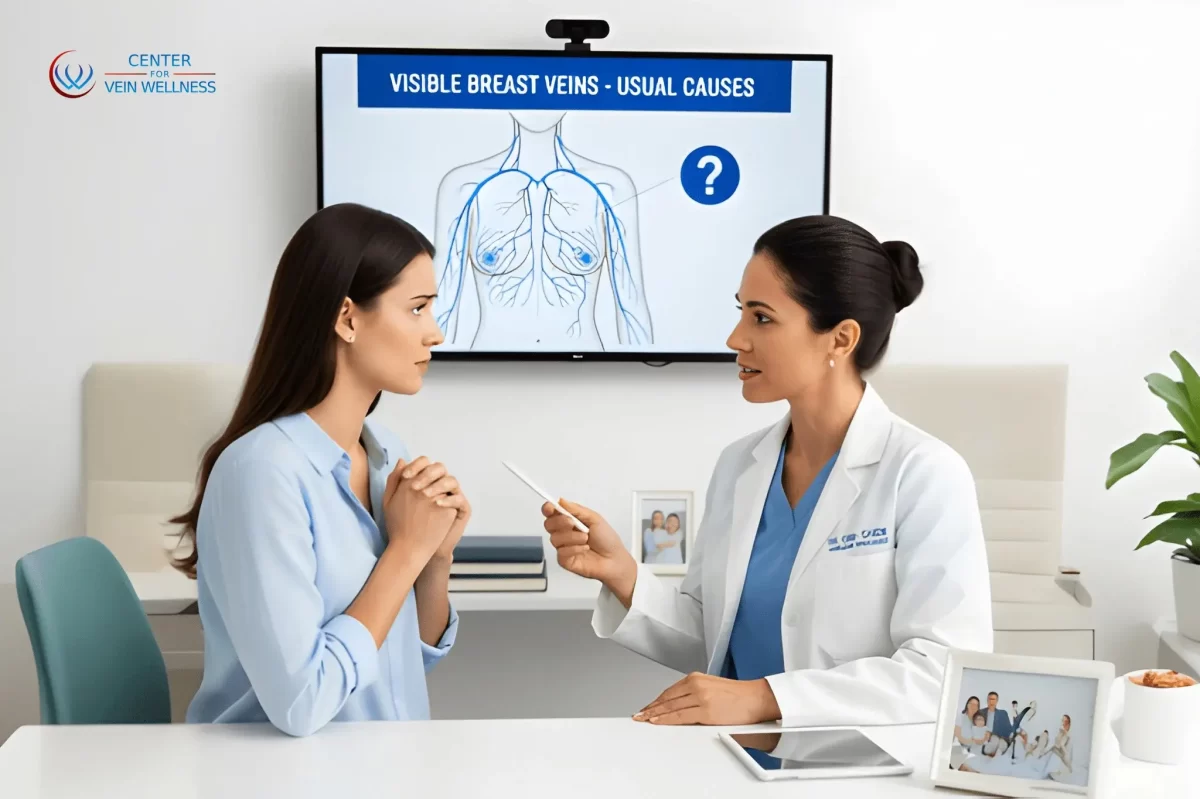
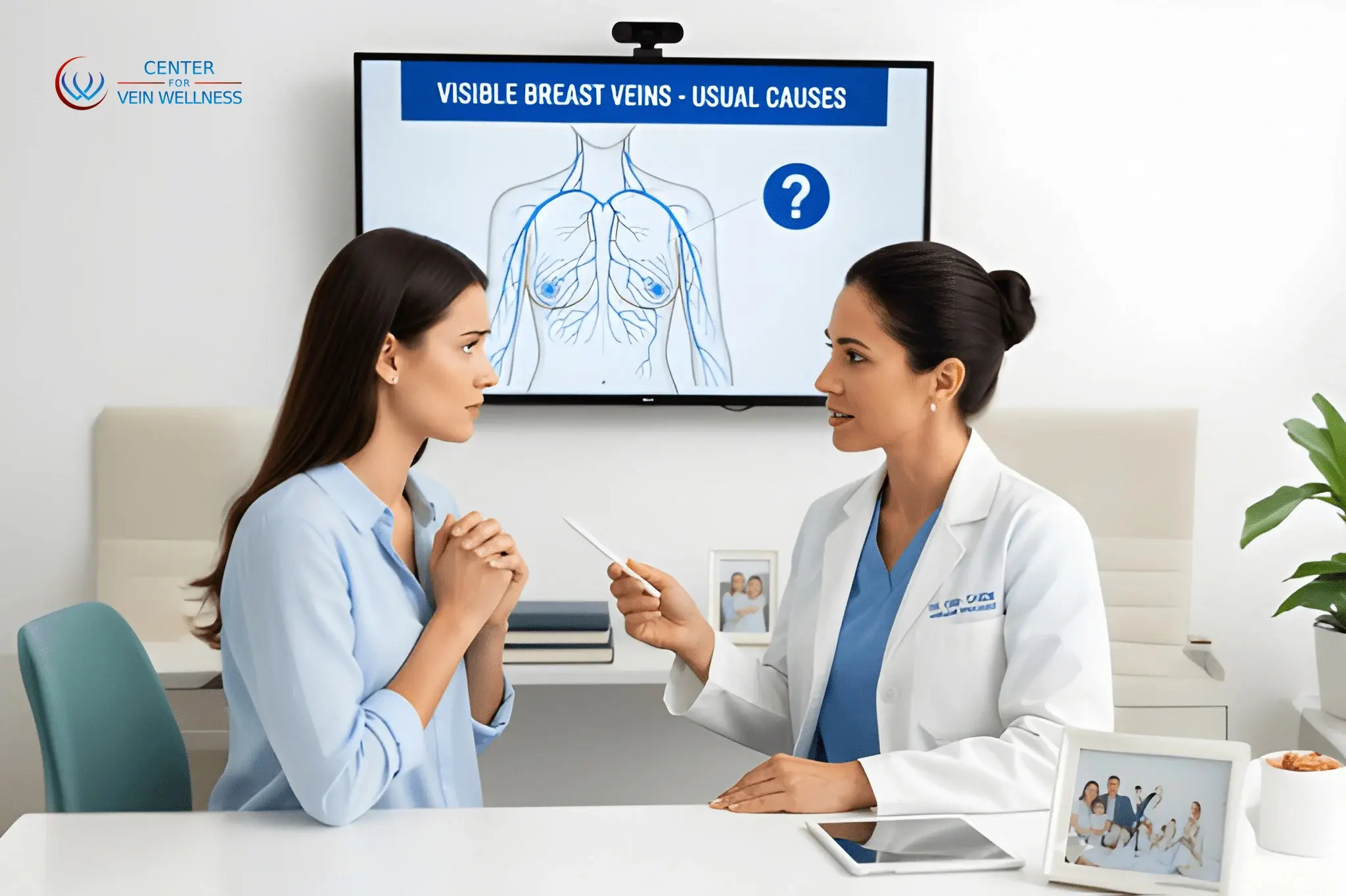
Female doctor explaining causes of visible breast veins to a patient in a medical office, with a screen showing an anatomical diagram labeled ‘Visible Breast Veins – Usual Causes.’

Why Are My Breast Veins So Visible?

I started by reassuring Sarah that visible veins on the breasts are not uncommon. In fact, most of the time, they’re completely harmless.

Here’s what I told her: “Sarah, your body goes through many changes, and your veins often reflect that. Hormonal fluctuations, aging, or even lifestyle factors can make your veins appear more noticeable.”

Then I explained the common reasons one by one:

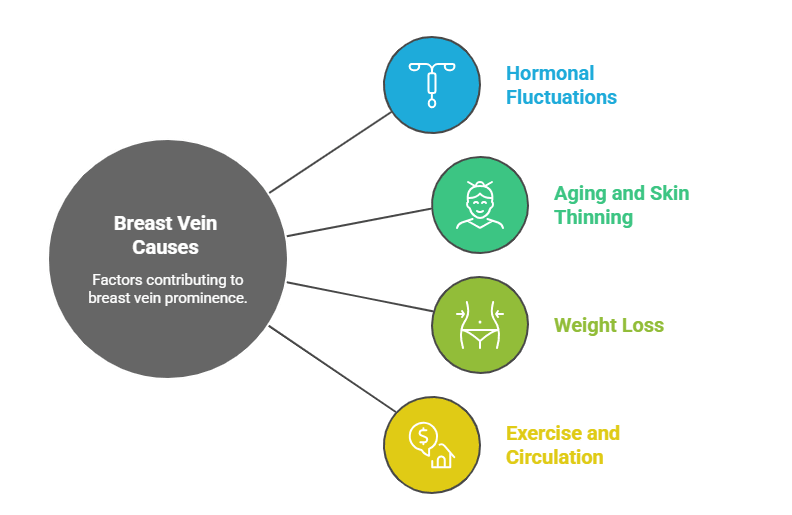
Infographic showing common causes of visible breast veins including hormonal fluctuations, aging and skin thinning, weight loss, and exercise and circulation.

● Hormonal fluctuations: “During pregnancy, menstruation, or menopause, your hormones increase blood flow in your breasts, making the veins stand out more.”

● Aging and skin thinning: “As skin becomes thinner with age, veins just become easier to see.”

● Weight loss: “If you’ve lost a bit of weight recently, the fatty tissue that usually hides your veins might have reduced.”

● Exercise and circulation: “If you’re working out regularly, increased blood flow can make veins temporarily more visible.”

She nodded, starting to relax. But then she asked the question that so many women worry about: “But Doctor, could this ever be a sign of breast cancer?”

Could Visible Breast Veins Indicate Breast Cancer?

I smiled reassuringly and told her the truth: “Most of the time, no, visible veins don’t mean you have breast cancer. But in some rare cases, they can be one of the signs that something deeper is going on.” Let’s look at what those rare cases might be.

1. Inflammatory Breast Cancer (IBC)

“This is a rare but aggressive form of breast cancer,” I explained. In IBC, cancer cells block the lymph vessels in the skin of the breast. When this happens, the skin can become red, warm, and swollen, and you may notice more visible veins. The tricky part is that IBC doesn’t always cause a lump, so skin and vein changes are sometimes the only visible signs.”

2. Tumor Growth and Blood Flow Changes

“As tumors grow, they can increase blood supply in that area,” I continued. “That extra blood flow can make nearby veins look more pronounced, especially on one breast.”

3. Changes in Skin or Color

“If your visible veins come with skin dimpling, nipple inversion, or unusual thickening, it’s worth getting checked,” I told her. “Sometimes, these surface changes happen because something inside is pressing against the skin.”

4. Veins on One Breast Only

“Finally,” I said, “if you notice that veins are suddenly visible on one breast only, that asymmetry is worth paying attention to. It doesn’t automatically mean cancer, but it does mean your doctor should take a closer look.”

I reminded Sarah, and I’ll remind you that visible veins alone don’t confirm breast cancer. They’re just one piece of the puzzle. Still, it’s always wise to have a professional evaluation rather than assuming it’s nothing.

Recognizing the Warning Signs: How to Know If You Have Breast Cancer

Sarah wanted to know what other symptoms to watch for. I handed her a simple list and said, “These are the signs I want you to keep in mind. If you notice any of them, don’t wait to get checked.”

● A new lump or swelling in your breast or armpit

● Skin dimpling or redness that looks like an orange peel

● Nipple discharge not related to breastfeeding

● Thickened or firm skin in one area

● Sudden difference in size or shape between your breasts

● Persistent pain or heaviness on one side

If you notice any of these along with visible veins, call your doctor right away. Early detection is everything.

A Real-Life Example of Reassurance

Before she left, I shared another patient’s story. “One of my patients, Emily, had a similar concern,” I told Sarah. “She also noticed more visible veins on her breasts and came in worried about cancer. After a proper evaluation, we found her veins were simply the result of lifestyle changes and hormonal fluctuations. She even shared her experience in this blog about how she minimized her breast veins with healthy habits.”

Sarah smiled. “That makes me feel a lot better,” she said.

And honestly, that’s the point: awareness is good, but fear isn’t necessary.

When to Seek Medical Help

Before she left, I reminded her: “If your veins appear suddenly, feel warm or painful, or you notice other changes like skin thickening or nipple discharge, don’t ignore it. Schedule a visit with your doctor or a vein specialist.”

At Center for Vein Wellness, we use advanced imaging and non-invasive techniques to determine what’s really causing the change, whether it’s hormonal, vascular, or breast tissue–related.

Adjusting Her Daily Habits

Beyond diet and skincare, Emily made small lifestyle tweaks that made a big difference. She started sleeping with an extra pillow to slightly elevate her chest, reducing pressure and improving blood flow.

She also swapped out her old bras for more supportive ones styles that fit snugly but didn’t restrict movement. She quickly realized that comfort and proper support went hand in hand with better vein health.

Conclusion

If you’ve recently noticed visible veins on your breasts, please remember, most of the time, they’re not a sign of breast cancer. But if they appear suddenly, look different on one side, or come with other symptoms, don’t wait to get checked.

Your peace of mind is worth it.

At Center for Vein Wellness, we’re here to help you understand your symptoms and take the next step toward clarity and confidence. If you’d like to schedule an appointment or ask a question, don’t hesitate to contact us.

Your health, comfort, and confidence always come first.

Disclaimer: The characters and scenario in this article are fictional. This content is intended for educational purposes and not as medical advice.

Frequently Asked Question

Could Visible Breast Veins Be a Warning Sign of Breast Cancer?

No, most visible breast veins are harmless and result from hormonal changes, exercise, or skin thinning. However, sudden or one-sided veins should be evaluated by a doctor.
Yes, in rare cases like Inflammatory Breast Cancer (IBC), visible veins may appear early, even before a lump forms.
Inflammatory Breast Cancer (IBC) is most commonly associated with visible veins due to blocked lymph vessels and skin inflammation.
Yes, if veins appear on one breast only or become more prominent suddenly, it’s important to seek medical evaluation to rule out vascular or cancer-related causes.
Normal veins often appear gradually and evenly on both breasts, while warning signs include pain, redness, warmth, or uneven visibility on one side.
Yes, intense workouts or sudden weight loss reduce fatty tissue and increase circulation, which can make veins more noticeable without any health issues.
Absolutely. As skin loses elasticity and thins with age, veins naturally become more visible on the chest and breasts.
Cancerous growths can increase local blood flow or block lymph vessels, making surrounding veins appear more prominent.
Look for breast swelling, dimpling, skin discoloration, nipple discharge, or persistent pain; these may indicate a deeper issue needing medical attention.
You should consult a healthcare professional if veins appear suddenly, are painful, or are accompanied by skin changes, lumps, or nipple abnormalities.

How Emily Minimized Her Breast Veins with Everyday Healthy Habits

Quick Summary

1.Boost Circulation Naturally – Staying hydrated and exercising regularly improves blood flow, helping veins appear less prominent.
2.Eat a Vein-Healthy Diet – Foods rich in vitamins C, E, and antioxidants strengthen vein walls and support collagen production.
3.Protect Skin from UV Damage – Daily sunscreen use prevents skin thinning and helps keep breast veins less visible.
4.Try Simple Home Remedies – Cold compresses, aloe vera gel, and natural oil massages can gently reduce vein visibility.
5.Maintain Consistent Care – Healthy habits, balanced nutrition, and gentle skincare routines provide lasting vein health benefits.

When Emily first noticed faint blue lines running across her chest, she brushed them off as nothing. But over time, those lines became more visible, especially after her second pregnancy. She wasn’t in pain, but she couldn’t help feeling a little self-conscious whenever she wore lighter tops.

Her doctor assured her it was completely normal. “Visible breast veins are common and harmless,” she said. “But if they bother you, a few simple lifestyle changes can help.” That conversation became the start of Emily’s journey to understanding how to minimize breast veins naturally without immediately turning to medical procedures.
Young woman in athletic wear sitting on a sofa, smiling, and holding a bowl of fresh vegetables and a bottle of water. She has a pink measuring tape around her neck, emphasizing a healthy lifestyle. A logo in the corner reads 'Center for Vein Wellness

Understanding Why Breast Veins Become Visible

Emily learned that breast veins can appear more noticeable when the blood vessels under the skin dilate or when skin becomes thinner with age. Hormonal changes, pregnancy, weight loss, and even exercise can make them stand out more.

She also found that for many women, the change is temporary. But for others, especially those who’ve gone through pregnancy or major body changes, it can linger. Curious, Emily later came across a helpful blog about breast veins and pregnancy that explained how hormones and increased blood flow affect the chest area.

Emily’s First Step: Staying Hydrated and Moving More

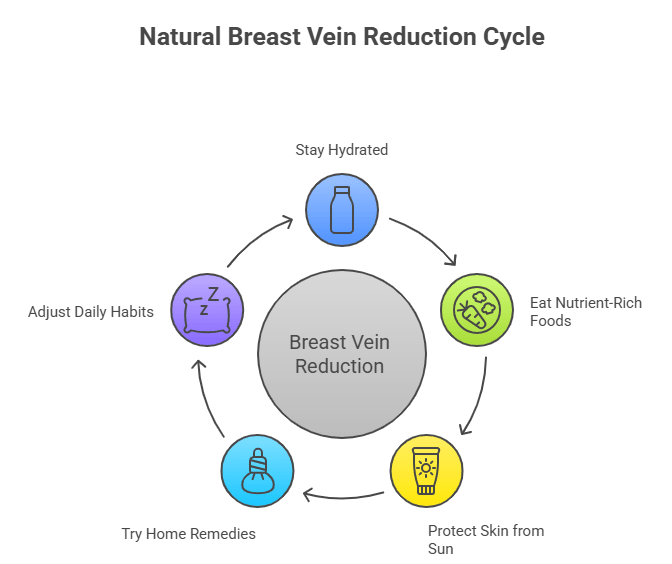
The first change Emily made was simple: she started drinking more water. Her skin felt better, and she noticed her veins didn’t look as prominent. Hydration helps keep the skin supple and supports smooth blood circulation.

She also added gentle exercise to her daily routine, morning walks, light stretching, and evening yoga. These small efforts boosted her circulation and helped her feel more energetic overall. It’s one of the most natural ways to support vein health and minimize breast veins over time.

Nourishing Her Body with the Right Foods

Next, Emily turned her attention to her diet. She swapped out processed snacks for colorful, nutrient-rich meals. She learned that vitamins C, E, and K were essential for strong, healthy veins.

She filled her plate with citrus fruits, leafy greens, berries, nuts, and seeds all known to boost blood vessel strength and improve circulation. She noticed that eating right not only helped her skin look more radiant but also supported her overall vascular health.

At the same time, she cut back on salty and processed foods, which can cause bloating and poor circulation. These little dietary shifts made her feel lighter, healthier, and more confident.

Protecting Her Skin from the Sun

Emily loved spending time outdoors, but she realized that too much sun exposure could make veins more noticeable by thinning the skin. She started applying sunscreen daily, SPF 30 or higher, even when she wasn’t heading to the beach.

Light, breathable clothing and a wide-brimmed hat became her new go-to accessories. Protecting her skin didn’t just help with vein visibility; it also kept her complexion even and youthful.

Discovering Simple Home Remedies

Emily didn’t want to rely on harsh treatments, so she looked into safe home remedies that could help naturally tone her veins.

Her favorite turned out to be a cold compress, simply wrapping a few ice cubes in a soft cloth and placing it gently over her chest for a few minutes. It instantly soothed her skin and reduced the appearance of bulging veins by tightening blood vessels.

She also enjoyed using natural oils like coconut and olive oil for gentle massages. A few minutes of light, circular motions each day helped her improve blood flow and skin elasticity.

Some days, she’d use aloe vera gel, straight from the plant. Its cooling, anti-inflammatory properties left her skin calm and refreshed. Occasionally, she’d even apply a diluted mix of apple cider vinegar and water as a natural toner, another easy remedy for promoting circulation.

Adjusting Her Daily Habits

Beyond diet and skincare, Emily made small lifestyle tweaks that made a big difference. She started sleeping with an extra pillow to slightly elevate her chest, reducing pressure and improving blood flow.

She also swapped out her old bras for more supportive ones styles that fit snugly but didn’t restrict movement. She quickly realized that comfort and proper support went hand in hand with better vein health.


Conclusion: A Natural, Confident Transformation

After a few months of consistency, Emily noticed a real change. Her breast veins weren’t completely gone, but they were far less noticeable. More importantly, she felt healthier, stronger, and more confident in her own skin. She realized that visible veins are nothing to be ashamed of, but taking care of her body and skin made her feel empowered.

For women like Emily, lifestyle changes can often make a big difference. But for those seeking a more advanced solution, professional breast vein treatment options are available at Center for Vein Wellness, where experts use safe and effective techniques to help restore smooth, even-toned skin.

If you’re ready to learn what works best for your needs, don’t hesitate to reach out to our team. You can schedule a consultation or get personalized advice by visiting our Contact Us page today.

Disclaimer: “Emily” is a fictional character created to illustrate how breast vein treatment works. The story is for educational purposes only and does not represent an actual patient.

Frequently Asked Question

How Emily Minimized Her Breast Veins with Everyday Healthy Habits

Breast veins can become visible due to hormonal changes, pregnancy, aging, rapid weight loss, genetics, or increased blood flow near the skin’s surface.
Yes. Staying hydrated, maintaining a healthy weight, eating a nutrient-rich diet, and protecting your skin from the sun can significantly reduce the appearance of breast veins.
Citrus fruits, leafy greens, berries, nuts, and seeds are great for vein health. They provide antioxidants, vitamin C, and vitamin E, which strengthen veins and improve circulation.
Moderate exercise like walking, yoga, or swimming helps improve circulation, strengthen vein walls, and promote overall skin tone, which can minimize visible veins.
Yes. Cold compresses, gentle massages with natural oils, applying aloe vera gel, and using diluted apple cider vinegar are effective home remedies for reducing vein prominence.
Proper hydration improves blood flow and skin elasticity, preventing veins from bulging or appearing more visible. Aim for about 8 glasses of water daily
Yes. Prolonged sun exposure can damage collagen and thin the skin, making veins more noticeable. Always use a broad-spectrum SPF 30 or higher.
Tight bras can restrict circulation, which may make veins more prominent over time. Wearing a properly fitted, supportive bra can help maintain healthy blood flow.
In most cases, visible breast veins are harmless. However, if veins become painful, swollen, or appear suddenly, it’s best to consult a vein specialist.
If visible veins cause discomfort or self-consciousness, or if natural methods aren’t helping, a vein specialist can provide safe, effective treatment options such as sclerotherapy or laser therapy.

Why do breast veins become more visible during pregnancy?

Quick Summary

1.Increased Blood Volume – Pregnancy increases blood flow by up to 50%, making veins in the breasts more prominent.

2.Hormonal Changes – Estrogen and progesterone relax blood vessel walls, causing veins to expand and become visible.

3.Breast Growth – Enlarging breast tissue and stretched skin during pregnancy make veins easier to see.

4.Mostly Harmless – Visible veins are usually normal, but pain, swelling, or redness may need medical attention.

5.Temporary Change – Breast veins often fade after childbirth or breastfeeding, though treatment is available if they persist.

Pregnancy brings about many noticeable changes in a woman’s body, and one of them is the appearance of visible veins on breasts during pregnancy. While it may feel concerning at first, this is a common and natural occurrence. In this blog, we’ll discuss why breast veins become more visible, the causes of breast veins in pregnancy, the science behind these changes, and when you might want to seek medical advice. We’ll also highlight safe treatment options available for women who remain concerned about their appearance.Pregnant woman sitting on a bed and examining her breast, showing concern about visible breast veins and body changes during pregnancy.

Why Do Breast Veins Appear More During Pregnancy?

The main reason veins become more noticeable during pregnancy is the body’s preparation to support a growing baby. As blood volume increases to nourish both mother and child, veins expand to carry the extra flow. This change often makes the veins on the chest and breasts stand out more than usual.

In many cases, these visible veins are temporary and fade after childbirth or breastfeeding. However, understanding the reasons for visible veins during pregnancy can help put your mind at ease

Causes of Breast Veins in Pregnancy

There isn’t just one reason behind breast veins appearing more prominently—several physical and hormonal factors contribute. Let’s take a closer look:

  • 1. Increased Blood Volume

    During pregnancy, a woman’s blood volume can increase by as much as 30–50%. This surge is essential for delivering oxygen and nutrients to the growing baby. Because of this extra workload, veins expand to handle more blood flow. When they enlarge, especially under thin skin on the breasts, they become more noticeable.

  • 2. Hormonal Changes

    Estrogen and progesterone, the primary pregnancy hormones, play a key role in vascular changes. They cause blood vessel walls to relax and dilate, which improves circulation but also makes veins stand out more clearly. These hormonal shifts are one of the biggest causes of breast veins in pregnancy, especially noticeable in the early and middle stages.

  • 3. Breast Growth and Skin Stretching

    Breasts begin preparing for breastfeeding early in pregnancy. As milk ducts grow and tissues expand, the skin stretches. Stretched skin tends to become thinner, and as a result, veins underneath are easier to see. This is a very common reason for visible veins during pregnancy, especially by the second trimester.

  • 4. Genetic Predisposition

    Some women naturally have more prominent veins due to genetics or lighter skin tone. If you’ve always had faintly visible veins, pregnancy may make them stand out even more.

  • 5. Circulatory Pressure

    As the uterus grows, it puts pressure on blood circulation throughout the body. This can slow blood return to the heart, leading to more noticeable vein enlargement in different parts of the body, including the breasts.

    Together, these changes explain why many pregnant women notice new or more visible breast veins. While they may not always be aesthetically pleasing, they are usually harmless and temporary.

    Are Visible Breast Veins a Cause for Concern?

    In most cases, the appearance of visible veins on breasts during pregnancy is completely normal and nothing to worry about. It’s a physical sign that your body is adapting to carry extra blood volume and support your growing baby.

    However, there are situations when it’s important to be cautious and seek medical advice:

    • Painful veins: If the veins feel sore, tender, or unusually warm to the touch.
    • Swelling or redness: Could indicate inflammation or a circulatory issue that needs attention.
    • Sudden changes: If veins become extremely prominent in a short time or appear alongside swelling in other areas, it could point to circulation problems.
    • Hard lumps along veins: This may be a sign of thrombophlebitis (a blood clot in a vein), which requires medical evaluation.

    While these scenarios are less common, they highlight the importance of not dismissing new symptoms during pregnancy. Even though breast veins are typically harmless, monitoring any sudden or uncomfortable changes is always wise.

    If your veins remain visible and concerning after pregnancy or breastfeeding, there are safe, minimally invasive treatments available. For more information, you can explore the breast veins treatment options provided by Center for Vein Wellness.

    When to See a Doctor

    If your breast veins are unusually painful, warm to the touch, or accompanied by other symptoms like swelling, it’s best to seek medical evaluation. While most changes are harmless, vein specialists can rule out conditions such as thrombophlebitis or varicose veins in the breast area.

    Conclusion

    Noticing visible veins on breasts during pregnancy is usually a normal part of the body’s adjustment to support new life. The causes of breast veins in pregnancy—such as increased blood flow, hormonal changes, and breast growth—are natural processes. While they may fade after childbirth, specialized treatments are available if veins remain visible and bothersome.

    If you’re worried about your breast veins or want professional advice, the team at Center for Vein Wellness is here to help. For personalized guidance, don’t hesitate to Contact us today and take the first step toward peace of mind.

    Frequently Asked Question

Why do breast veins become more visible during pregnancy?

Breast veins enlarge due to increased blood flow, hormonal changes, and breast tissue growth needed to support pregnancy and breastfeeding.
Yes, they are a normal and common change caused by the body’s adjustment to increased blood circulation and hormonal shifts.
They can appear as early as the first trimester but often become more noticeable in the second and third trimesters.
In most cases, no. However, if veins are painful, swollen, or accompanied by redness, it may require medical evaluation.
Often, yes. Many women notice that veins fade after childbirth or once breastfeeding ends, though this varies by individual.
They can be an early pregnancy symptom, but not every woman experiences them. Other signs should also be considered for confirmation.
Hormonal changes, breast enlargement, skin stretching, and genetics can all contribute to visible breast veins.
Yes, painful or swollen veins may indicate an underlying vein condition, and you should consult a healthcare provider.
Usually not. They tend to fade naturally, but if they remain visible, cosmetic treatments are available.
Staying active, maintaining hydration, and wearing supportive bras may help improve circulation, but veins may remain visible until after pregnancy.

Are Breast Veins Normal or a Sign of a Health Issue?

Quick Summary

1.Breast veins are often normal – They can be visible due to skin tone, low body fat, or increased circulation.

2.Common causes include pregnancy, aging, hormonal changes, and exercise – These usually make veins more noticeable without signaling a problem.

3.Medical concerns are less common but possible – Sudden, painful, or swollen breast veins can indicate vascular issues or, rarely, breast cancer.

4.Warning signs to watch for – Pain, swelling, redness, lumps, or nipple changes should prompt medical evaluation.

5.Treatment options are available – Minimally invasive vein procedures can improve appearance and comfort for those bothered by visible veins.

It’s not uncommon for people to notice visible veins on their breasts and wonder if it’s something to be concerned about. You might ask yourself, “Are breast veins normal, or do they signal an underlying health issue?” In this blog, we’ll explain why breast veins appear, when they’re considered normal, what causes them, and when it’s best to seek medical advice. We’ll also share treatment options available for those who feel self-conscious or experience discomfort.3D medical illustration showing breast anatomy with visible veins, ducts, and lobules, highlighting vascular and lymphatic structures in the chest.

Are Breast Veins Normal?

In many cases, breast veins are completely normal. Our veins carry blood back to the heart, and depending on skin tone, body type, and lifestyle factors, they may become more visible in certain areas of the body including the breasts. For most people, visible breast veins are a harmless cosmetic concern rather than a medical issue.

That said, sudden or painful changes in the appearance of breast veins can sometimes indicate an underlying condition, making it important to understand what’s normal and what’s not.

Common Causes of Breast Veins

If you’re wondering “is it normal to have veins on breasts?” the answer often depends on what’s causing them. Here are some of the most common factors that make breast veins more noticeable:

  • 1.Skin Tone and Body Composition

    People with fair or thin skin tend to have more visible veins because there’s less tissue covering them. People with less body fat often notice their veins appearing more visible.

  • 2.Pregnancy and Breastfeeding

    During pregnancy, increased blood volume and hormonal changes can cause veins to become enlarged and more visible. Many women also notice prominent breast veins while breastfeeding due to milk production and greater circulation in the area.

  • 3. Aging and Skin Changes

    As we age, skin naturally loses elasticity and becomes thinner, making veins easier to spot. This is a gradual and normal part of aging.

  • 4. Hormonal Fluctuations

    Monthly hormonal changes related to menstrual cycles, birth control use, or menopause can temporarily make veins more prominent.

  • 5. Exercise and Increased Blood Flow

    Exercise increases blood flow, which can cause veins to appear more prominent for a short time. For athletes or those with active lifestyles, visible breast veins are often just a sign of healthy circulation.

  • 6. Surgical or Cosmetic Procedures

    Breast surgeries, such as augmentation or reconstruction, can lead to more visible veins as the skin stretches or heals.

  • 7. Medical Concerns

    In some cases, causes of breast veins may be linked to conditions like blood clots, vascular disease, or rarely, breast cancer. While this is less common, it’s important to be aware of these possibilities.

    When Should You Be Concerned?

    While visible breast veins are usually harmless, there are situations where they should not be ignored. You may want to reach out to a doctor if the following symptoms appear:

    • Sudden Appearance of Veins
      If new veins appear quickly without an obvious reason such as pregnancy or exercise, it’s worth having them checked.
    • Pain or Tenderness
      Normal veins don’t usually hurt. Pain, warmth, or tenderness around the veins could signal inflammation or a clot.
    • Swelling or Redness
      Visible veins combined with swelling, redness, or skin changes may point to an underlying vascular issue.
    • Breast Changes
      If visible veins appear alongside breast lumps, nipple discharge, skin dimpling, or other noticeable changes, it’s important to seek prompt medical evaluation.
    • After Surgery
      Post-surgical patients should watch for new or worsening vein patterns, especially if accompanied by discomfort or uneven healing.

    Being proactive about your health is always the best approach. Even if the issue turns out to be cosmetic, getting peace of mind from a professional is valuable.

    Treatment Options for Breast Veins

    Many people who ask “are breast veins normal?” are also curious about whether they can be treated. The good news is that treatments are available, especially for those who feel self-conscious about their appearance.

    At the Center for Vein Wellness, patients can benefit from minimally invasive treatments, including sclerotherapy, designed to improve the appearance of breast veins with safe and effective results.

    These treatments are designed to target the vein directly, causing it to fade over time and improving the overall appearance of the skin. Patients typically experience little downtime and long-lasting results.

    Final Thoughts

    So, are breast veins normal? In most cases, yes, they are simply part of your body’s natural structure. However, it’s important to pay attention to sudden changes, pain, or other unusual symptoms. If you’re concerned about the causes of breast veins or looking for effective treatment options, the specialists at the Center for Vein Wellness can help.

    To learn more about safe and effective treatments for visible breast veins, If you’re ready to discuss your concerns with a vein expert, don’t hesitate to contact us today to schedule a consultation.

    Frequently Asked Question

Are Breast Veins Normal or a Sign of a Health Issue?

Yes, breast veins are usually normal and often influenced by skin tone, body composition, or increased blood circulation.
Visible breast veins can be caused by pregnancy, breastfeeding, aging, hormonal changes, exercise, or cosmetic surgery.
Not always. While breast veins are usually harmless, sudden changes with pain, swelling, or breast lumps may require medical evaluation.
Yes, it is common. Hormonal changes and increased blood flow during pregnancy make breast veins more prominent.
In many cases, breast veins fade once breastfeeding ends, but for some women, they may remain visible.
Yes. Losing body fat can make veins more noticeable since there’s less tissue covering them.
You should be concerned if veins appear suddenly, are painful, warm, or come with swelling, redness, or other breast changes.
Yes. Intense exercise increases blood flow, which can make veins temporarily more visible.
Breast implants or surgery can stretch the skin, making veins more noticeable, especially in thinner individuals.
Yes. Minimally invasive vein treatments, such as sclerotherapy, can help reduce or eliminate visible breast veins for cosmetic or comfort reasons.