What Are the Do’s and Don’ts of Sclerotherapy Aftercare?
Quick Summary
- Compression Stockings Are Non-Negotiable – Wear compression stockings for 2–5 days post-treatment to keep treated veins from collapsing, prevent blood pooling, and maximize your results.
- Walk Daily, But Skip the Gym – Light daily walking boosts circulation and reduces clot risk. Avoid high-impact exercise for at least 7 days to protect healing veins.
- Sun and Heat Are Your Biggest Enemies–Skip hot tubs, saunas, and direct sun exposure for two weeks. Heat and UV rays can cause permanent skin discoloration on treated areas.
- Veins Look Worse Before They Look Better – Bruising, swelling, and temporary darkening are completely normal. Full results take 6–12 weeks as your body gradually absorbs the collapsed vein.
- Know the Warning Signs – Sudden leg swelling, spreading redness, painful lumps, or shortness of breath need immediate medical attention, don’t ignore these symptoms.
So, you just had sclerotherapy-now what? In this guide, we’re breaking down everything you need to know about sclerotherapy aftercare, from what to do right after your appointment to habits that could slow down your healing. We’ll cover compression stockings, activity restrictions, skincare tips, warning signs to watch for, and common mistakes patients make during recovery. Whether it’s your first session or a follow-up treatment, these sclerotherapy recovery tips will help you get the best possible outcome.
Why Aftercare Matters More Than You Think
Sclerotherapy is one of the most popular and minimally invasive treatments for spider veins and small varicose veins. The procedure involves injecting a solution directly into the affected vein, causing it to collapse and gradually fade. But here’s the thing-the treatment itself is only half the story.
What you do after your session plays a huge role in how well the veins respond. Poor aftercare can lead to complications like skin pigmentation, blood clots, inflammation, or incomplete vein closure. On the flip side, following the right sclerotherapy recovery tips can speed up results and reduce any discomfort significantly.
If you’re still weighing whether this treatment is right for you, we highly recommend reading our in-depth overview at Is Sclerotherapy Safe? A Step-by-Step Guide to the Sclerotherapy Procedure before diving into aftercare.
The Do’s of Sclerotherapy Aftercare
1. DO Wear Your Compression Stockings
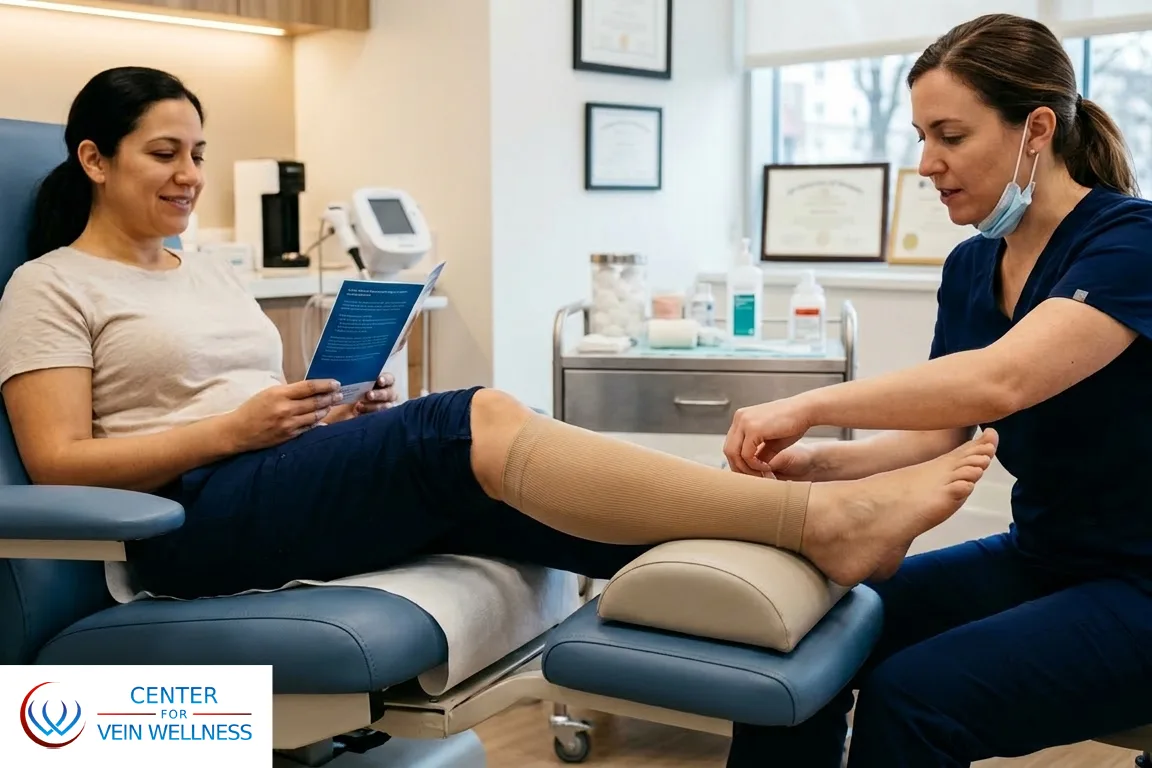
This is probably the single most important thing you can do after sclerotherapy. Your provider will likely recommend wearing compression stockings for anywhere from 2 to 5 days following treatment, sometimes longer, depending on the size of the veins treated.
Compression stockings apply consistent pressure that keeps the treated veins collapsed and helps prevent blood from pooling. Skipping this step is one of the most common reasons patients don’t see their expected results.
Pro tip: Put them on first thing in the morning before you even get out of bed, when swelling is at its lowest.
2. DO Walk Every Day
Movement is your friend after sclerotherapy. Light walking, even just 20 to 30 minutes a day, promotes healthy circulation and reduces the risk of blood clot formation. Your leg muscles act as a pump, helping blood move efficiently through the veins.
Most patients are encouraged to walk immediately after their appointment and to continue daily walks throughout their recovery.
3. DO Keep the Treated Area Clean and Dry
For the first 24 to 48 hours, keep the injection sites clean. Wash gently with mild soap and water, and pat dry. Avoid scrubbing or using harsh products near the treated area.
4. DO Sleep With Your Legs Elevated
Elevating your legs while sleeping helps reduce swelling and encourages proper blood flow. Use a pillow or wedge under your calves and ankles, even a small elevation makes a difference during the first few nights post-treatment.
5. DO Attend Your Follow-Up Appointments
Sclerotherapy often requires more than one session, and follow-up appointments allow your provider to assess your progress and determine whether additional injections are needed. Don’t skip these, they’re a critical part of the process.
PMS affects each woman differently, but breast-related symptoms are some of the most common. Along with tenderness and swelling, PMS breast symptoms can include visible breast veins.
This happens because the same hormones that cause breast soreness and fullness also increase blood flow and fluid retention in the breast tissue. As a result, veins become more prominent during the premenstrual phase.
So yes, PMS can cause breast veins to appear more visible, especially in women who already have thinner skin or naturally visible veins. This is part of normal breast changes before period and usually settles once your period starts.
The Don’ts of Sclerotherapy Aftercare
1. DON’T Sit or Stand for Long Periods
After your treatment, prolonged sitting or standing can cause blood to pool in the legs. This places unnecessary stress on the treated veins and increases swelling. If your job requires long hours at a desk or on your feet, take regular breaks to walk around and flex your ankles.
2. DON’T Exercise Intensely for at Least a Week
High-impact activities like running, cycling, aerobics, or weightlifting should be avoided for at least 7 days following sclerotherapy. These activities raise your blood pressure and heart rate, which can disrupt the treated veins before they’ve had a chance to fully close.
Walking is perfectly fine, even encouraged, but save the gym sessions for after your recovery window.
3. DON’T Expose the Treated Area to Sun or Heat
Sun exposure and heat are among the most underestimated risks after sclerotherapy. UV rays can cause permanent skin discoloration (hyperpigmentation) on the treated veins, especially while they’re still healing. This effect can last for months or even become permanent in some cases.
For at least two weeks post-treatment, avoid:
- Direct sunlight on the treated areas
- Tanning beds
- Hot tubs and saunas
- Hot baths or hot showers on the legs
If you must be outdoors, apply a broad-spectrum SPF 30+ sunscreen and cover the treated legs with clothing or pants.
4. DON’T Take Anti-Inflammatory Medications Without Asking Your Doctor
NSAIDs like ibuprofen and aspirin can thin the blood and interfere with the sclerosing agent’s effectiveness. Unless your doctor has prescribed them, avoid these medications for a few days before and after your session. Acetaminophen (Tylenol) is generally considered a safer alternative for pain management, but always confirm with your provider.
5. DON’T Remove Your Bandages Too Early
If your provider applied bandages or tape over the injection sites, leave them in place for as long as recommended, usually 24 to 72 hours. These bandages help maintain pressure on the treated area and protect the skin from irritation.
6. DON’T Ignore Warning Signs
Mild bruising, tenderness, and slight swelling around the injection sites are completely normal. However, certain symptoms warrant a call to your provider right away:
- Sudden swelling in the entire leg
- Unusual warmth or redness spreading from the site
- Firm, painful lumps developing under the skin
- Shortness of breath or chest pain (seek emergency care immediately)
These could indicate a more serious complication such as deep vein thrombosis (DVT), allergic reaction, or ulceration.
A Quick Recovery Timeline: What to Expect Week by Week
Understanding the typical sclerotherapy recovery timeline can help set realistic expectations:
|
Timeframe |
What’s Normal |
|
Days 1–3 |
Bruising, mild swelling, itching at injection sites |
|
Days 4–7 |
Bruising begins to fade; lumpiness or firmness may appear |
|
Weeks 2–4 |
Treated veins begin to look worse before improving, this is normal |
|
Months 1–3 |
Veins gradually fade; optimal results typically visible at 6–12 weeks |
Patience is key. The treated veins don’t disappear overnight; the body slowly absorbs the collapsed vein tissue over several weeks.
Common Mistakes Patients Make (And How to Avoid Them)
Even well-intentioned patients sometimes slip up during recovery. Here are the most frequent mistakes:
- Forgetting to wear compression stockings at night – Some patients take them off at bedtime, which can reduce their effectiveness. Follow your provider’s instructions precisely.
- Returning to strenuous activity too soon – It feels fine, but pushing too hard too soon can disrupt the healing process.
- Skipping walks – Rest is important, but being completely sedentary increases clot risk.
- Applying ice directly to injection sites – Ice can constrict blood vessels and interfere with the healing process. Use a cloth barrier if needed for discomfort.
Conclusion
Sclerotherapy is a proven, effective treatment, but your aftercare habits are what turn a good procedure into a great outcome. The do’s are simple: wear compression, walk daily, stay out of the sun and heat, keep appointments, and be patient with the process. The don’ts are equally straightforward: avoid heavy exercise, skip the hot tub, don’t ignore warning signs, and resist the urge to rush your recovery.
The more consistently you follow these sclerotherapy recovery tips, the better your results will be and the more comfortable you’ll feel throughout the healing process.
If you’re ready to take the next step or have questions about your treatment plan, our team is here to help. Contact us today to schedule a consultation and get personalized guidance for your sclerotherapy journey.